

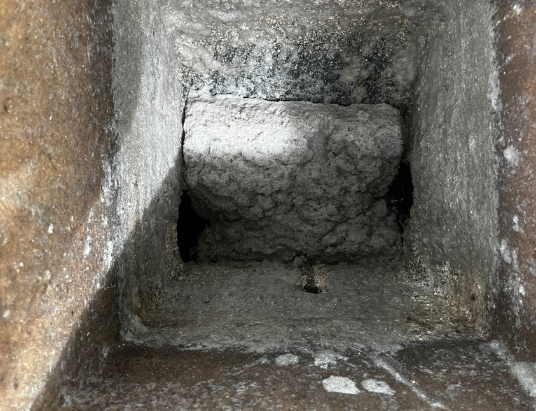
Many Algarve homes, villas and rural properties rely on fossas, septic tanks or wastewater holding systems instead of being connected to a main sewer line. These systems work quietly in the background, which is exactly why they are so easy to forget about. The problem is that “out of sight” does not mean “maintenance-free”.
Over time, solids build up inside the tank. If they are not removed through routine fossa cleaning or septic tank emptying, the system becomes overloaded. That can lead to bad smells, slow drainage, wastewater backups and expensive emergency repairs.
Routine maintenance is the simplest way to keep the system working properly. It protects the property, reduces the risk of unpleasant surprises and gives homeowners or property managers far more control over their wastewater system.
What Fossa Cleaning Involves
Fossa cleaning is the professional emptying and cleaning of a wastewater holding system or septic tank. The goal is to remove accumulated solids, sludge and waste before they reach levels that interfere with normal operation.
A typical fossa or septic tank service may include:
- locating and safely opening the tank access point
- removing accumulated waste and sludge
- checking for signs of abnormal build-up
- identifying obvious access, odour or overflow concerns
- advising on the next recommended emptying interval
This is not just about removing waste. A good service also gives you a clearer picture of how your system is coping with the way the property is used.
Why Septic Tanks Need Regular Emptying
A septic tank is designed to separate waste. Solids settle at the bottom, lighter materials rise to the top and liquid moves through the system. Over time, the solids layer grows. If it is not removed, the working capacity of the tank is reduced.
When the tank has less space to separate waste properly, problems begin.
Solids can move toward outlets, filters and soakaway areas. Drains may become slow. Odours may appear outside. The system may begin to back up, especially during heavy use.
Routine septic tank maintenance prevents this by keeping sludge levels under control. Instead of waiting for the system to struggle, you service it before the warning signs become serious.
Signs Your Fossa or Septic Tank Is Overdue
Most systems give warning signs before complete failure. The key is not to ignore them.
Watch for:
- slow-draining sinks, showers or toilets
- gurgling sounds from drains
- foul odours near the tank, drains or outside areas
- wet or unusually green patches near the drainage field
- toilets that flush weakly or refill strangely
- wastewater backing up into low-level fixtures
- the tank filling faster than expected
- uncertainty about when the system was last emptied
If you manage a holiday home, it is worth acting early. A small warning sign before guests arrive can become a serious complaint once the property is occupied.
Why Delayed Maintenance Causes Bigger Problems
Delayed fossa cleaning does not only make the tank smell worse. It can place pressure on the entire wastewater system.
If solids are allowed to build up too much, they may reach parts of the system that should only receive liquid. That can contribute to blockages, soakaway problems, pump strain and drainage failure.
Common consequences include:
- blocked outlet pipes
- overloaded filters
- unpleasant odours around the property
- wastewater backing up into the home
- surface pooling outside
- pump damage in systems that rely on pumps
- emergency callouts at inconvenient times
The longer the system is neglected, the more difficult and disruptive the repair can become.
Holiday Homes and Seasonal Use
Holiday properties have a different usage pattern from full-time homes. They may sit quiet for weeks, then suddenly handle a full house of guests using showers, toilets, washing machines and kitchens at the same time.
This stop-start usage can make planning difficult. A system may seem fine during quieter months, then struggle during peak season.
For holiday homes and rental properties, fossa maintenance should be planned before busy periods. This helps avoid:
- guest complaints
- bad smells during stays
- emergency callouts between bookings
- blocked toilets or slow drains
- reputational damage for property managers
A planned schedule is far better than waiting for a guest to report a problem.
Rural Properties and Villas
Many rural Algarve homes and villas rely on wastewater systems that need careful management. Access can also be more complicated than in urban homes, especially if tanks are located behind gates, down narrow driveways or beneath landscaped areas.
For these properties, it is important to:
- keep the access point visible and reachable
- avoid covering tank lids with heavy pots, paving or decking
- know where the tank is located
- keep service records
- book maintenance before the system reaches capacity
Good access saves time during routine servicing and becomes essential during an emergency.
How Often Should a Fossa Be Cleaned?
There is no single answer that suits every property. Frequency depends on the size of the tank, number of occupants, water usage, whether the property is rented, and what is flushed or poured into the system.
A small household may need a different schedule from a busy holiday villa. A rental property with frequent guest turnover may need more regular checks than a property used only occasionally.
Factors that affect emptying frequency include:
- number of bathrooms
- number of guests or residents
- washing machine and dishwasher usage
- tank size
- soil and soakaway performance
- whether guests flush unsuitable items
- kitchen grease habits
- previous history of slow drains or odours
Agua Choca can help assess your property and recommend a sensible routine based on real use, not guesswork.
What Not to Put Into the System
Good habits reduce strain on the tank and help extend the time between problems.
Avoid flushing or pouring:
- wipes, even “flushable” wipes
- sanitary products
- cotton buds
- nappies
- paper towels
- cooking oil and grease
- paint, solvents or strong chemicals
- large amounts of food waste
- excessive cleaning chemicals
For holiday lets, a simple guest note can help. Keep it polite and clear: only toilet paper should be flushed, and fats or oils should go in the bin, not the sink.
Simple Maintenance Habits That Help
Routine emptying is important, but daily habits also matter.
Helpful habits include:
- fixing leaking toilets quickly so the system is not constantly overloaded
- using sink strainers to catch food scraps
- avoiding heavy grease disposal through kitchen sinks
- spacing out laundry loads where possible
- keeping tank access clear
- noting any odours, slow drainage or gurgling early
- keeping a record of each emptying date
These small steps help the system work as designed.
What a Good Fossa Cleaning Service Should Offer
A professional service should be safe, tidy and practical. It should not leave the property in a mess or leave the owner guessing about the next step.
Look for:
- safe waste handling
- respect for access areas and landscaping
- clear communication
- practical advice on warning signs
- guidance on a maintenance interval
- recommendations if the system appears overloaded or damaged
For property managers, service records are especially useful. They help prove responsible maintenance and make it easier to plan future bookings and inspections.
When to Call Agua Choca
You should book fossa cleaning or septic maintenance if:
- you do not know when the system was last emptied
- odours are appearing outside or near drains
- multiple fixtures are draining slowly
- the property is entering peak guest season
- you are taking over management of a new property
- the system has backed up before
- you want to set a proper maintenance schedule
Early servicing is always better than reacting to a full system during a busy period.
Conclusion
Fossa cleaning and septic tank maintenance are essential for many Algarve properties. A wastewater system can only work properly when solids are removed before they overload the tank, outlets or soakaway area.
Routine emptying helps prevent odours, blockages, backups and emergency repairs. It also gives homeowners and property managers peace of mind, especially before peak rental seasons.
If your Algarve property relies on a fossa, septic tank or wastewater holding system, contact Agua Choca to arrange routine cleaning, maintenance guidance and a service schedule that suits your property.