If your water tastes “off”, smells slightly chlorinated, or leaves sediment in kettles and glassware, filtration can help. The tricky part is choosing the right system. Some homes only need a small under-sink filter for drinking water. Others benefit from a whole-house system that protects taps, showerheads and appliances too.
This guide compares under-sink filtration and whole-house filtration for Algarve homes, explains the most common filter types, and helps you choose a setup that matches your household’s water use and expectations.
Why Water Taste and Odour Vary
Even when water is safe, it can still have characteristics that affect comfort and enjoyment.
Common causes include:
- Chlorine or chloramine used for disinfection
- Sediment from supply disturbances or plumbing work
- Organic compounds that affect smell
- Old internal pipework that influences taste
- Seasonal water source changes that alter mineral and disinfectant profiles
Filtration is not only about taste. It can also:
- reduce grit that wears out mixer cartridges
- protect appliances from sediment build-up
- improve shower comfort for sensitive skin
Filter Types Explained in Plain English
Sediment Filters
Sediment filters remove particles like sand, grit and rust flakes.
They’re measured by micron rating:
- 20 micron: catches larger particles
- 5 micron: finer protection
- 1 micron: very fine, can reduce flow if not sized correctly
A sediment filter is often the first stage in a whole-house setup.
Carbon Filters
Carbon filters target taste, odour and certain chemicals.
- Great for chlorine taste and smell
- Helps water feel “softer” on skin, even if hardness is still present
- Available as cartridges or larger whole-house canisters
Specialty Cartridges
Depending on your needs, you may also see:
- anti-scale cartridges
- multi-stage cartridges
- UV systems for certain applications
Agua Choca can recommend options based on what you want to achieve, but most homes get excellent results from a properly sized sediment + carbon setup.
Under-Sink Filtration: What It Is Best For
An under-sink system filters water at a single point, usually the kitchen tap or a dedicated drinking-water spout.
Pros
- Lower cost than whole-house systems
- Focused on drinking and cooking water
- Easy to maintain with routine cartridge changes
- Minimal impact on whole-house pressure
Cons
- Does not protect showers, bathrooms or appliances
- Only improves water at one outlet
- Cartridges may need more frequent replacement in high-use homes
Under-sink filtration is a good choice if your main complaint is taste and odour, and you want a simple improvement in the kitchen.
Whole-House Filtration: What It Is Best For
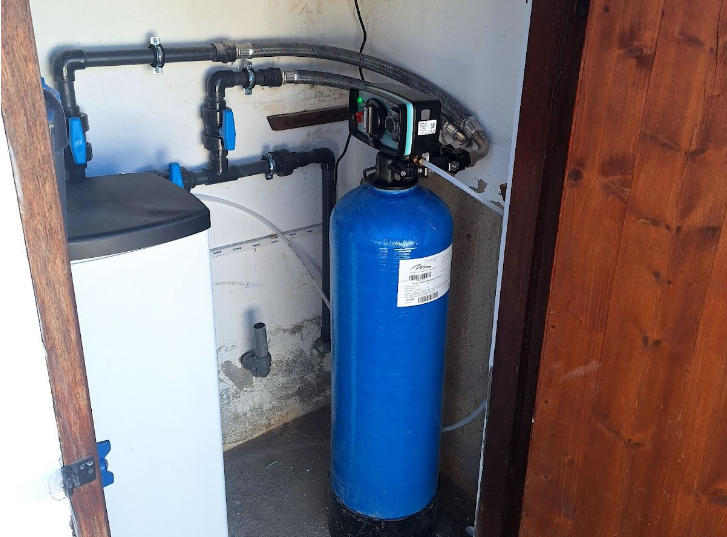
Whole-house filtration treats water at the point it enters the property, improving water quality at every tap.
Pros
- Protects mixers, shower heads and appliances from sediment
- Improves taste and smell everywhere (depending on filter type)
- Makes showering and cleaning more pleasant
- Reduces grit that damages seals and cartridges
Cons
- Higher upfront cost
- Needs correct sizing to maintain strong flow
- Requires access space and periodic servicing
Whole-house filtration is ideal for:
- homes with multiple bathrooms
- holiday lets with high turnover
- households that notice sediment issues
- properties that want consistent water quality throughout
Choosing the Right System for Your Home
A good choice depends on a few practical factors.
1) How many people use the water daily?
Higher use means higher flow and more frequent cartridge changes.
2) Do you want filtration only for drinking, or for the whole home?
If you want better shower water and less grit in taps, whole-house is the better fit.
3) How important is strong shower pressure?
Whole-house filtration must be sized properly. Undersized canisters can cause pressure drop, especially during peak demand.
4) Where will the system be installed?
Whole-house systems need a neat, accessible space near the incoming main, often with isolation valves and bypass options.
Cartridge Change Intervals and Maintenance
This is the part most homeowners forget: filters need maintenance.
Typical intervals vary by usage and water conditions:
- sediment cartridges: often more frequent
- carbon cartridges: often longer, depending on load
You’ll know a cartridge needs changing when:
- flow drops noticeably
- taste or odour returns
- filter housing shows visible sediment build-up
Agua Choca can set up a simple maintenance schedule so your system keeps working properly year-round.
Pressure and Flow Considerations
A filter that improves taste but ruins your shower is not a win.
A proper installation considers:
- expected peak flow rate
- pipe size and routing
- filter housing capacity
- whether a bypass loop is needed for servicing
This is why professional sizing matters. A “one size fits all” filter kit can cause problems in larger properties.
Installation Tips and What Good Work Looks Like
A tidy, reliable installation typically includes:
- isolation valves before and after the system
- a bypass loop for servicing
- bracket mounting for stability
- clear labelling of stages
- clean, leak-free joints and accessible housings
If you have a holiday let, an accessible install reduces downtime. Cartridges can be swapped quickly without disruption.
Under-Sink vs Whole-House: Quick Comparison
Under-sink:
- targets drinking and cooking water
- lower cost, smaller footprint
- does not protect appliances and showers
Whole-house:
- improves water throughout the home
- protects fixtures and appliances
- needs correct sizing and more space
Conclusion
If you want better water for tea, coffee and cooking, under-sink filtration is often enough. If you want consistent water quality throughout the house and protection for fixtures and appliances, whole-house filtration is worth it.
If you’re unsure, Agua Choca can assess your property and recommend the right filtration setup for your Algarve home, then install it cleanly with a clear maintenance plan.