

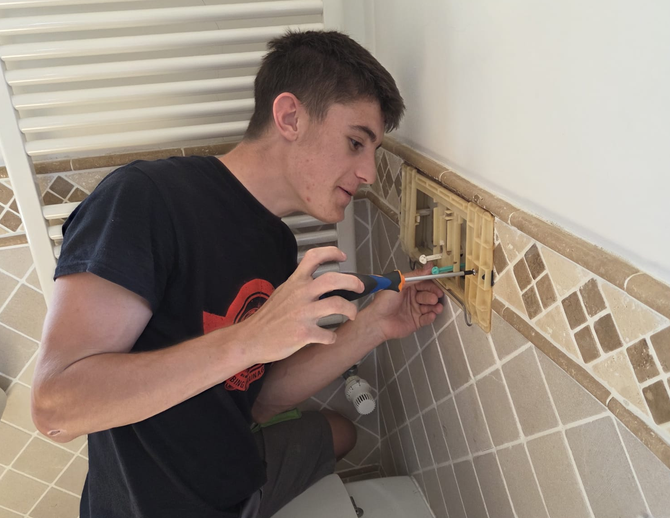
An accessible bathroom is not just about comfort. It’s about safety, independence, and preventing avoidable accidents. For seniors, people recovering from injury, families planning long-term living, and landlords who want safer properties, small plumbing-led changes can make bathrooms far easier to use.
The most effective upgrades are practical and specific: stable grab bars with proper reinforcement, safe temperature limits using TMVs (thermostatic mixing valves), comfort-height WCs, and plumbing layouts that support walk-in showers and easy maintenance.
This article explains what to upgrade, why it matters, and how to plan the work so it’s safe, neat, and durable.
User Needs and Layout: Start With the Person, Not the Product
Accessibility is personal. A “standard accessible bathroom” doesn’t really exist. Start with how the user moves and what they struggle with.
Key questions
- Do they need support standing up from the WC?
- Is balance unsteady in the shower?
- Are they sensitive to sudden temperature changes?
- Do they need a shower that’s step-free?
- Do they need space for a caregiver to assist?
From a plumbing perspective, layout planning affects:
- where you can place a walk-in shower drain
- how you route pipework so it stays accessible
- where isolation valves go for fast servicing
Even small changes, like moving a mixer to an easier reach height, can improve daily comfort.
Reinforcement and Fixing: Grab Bars That Are Actually Safe
Grab bars are only safe if they’re fixed properly. This is where many bathrooms fail. Tiles and plasterboard alone are not sufficient.
What proper reinforcement means
- fixing into structural framing or engineered backing plates
- positioning bars where they support natural movement
- using correct anchors for the wall type
- ensuring bars don’t interfere with valve access or service panels
Plumbing considerations
If you’re relocating a shower mixer or adding a handheld shower rail, reinforcement should be planned alongside the pipework so the wall cavity is built correctly once, not opened repeatedly.
Temperature Limits With TMVs: Safety Without Losing Comfort
Hot water burns quickly, especially for children, seniors, and anyone with reduced sensation. A TMV (thermostatic mixing valve) limits maximum outlet temperature by blending hot and cold to a safe setpoint.
Why TMV temperature limits matter
- reduces scald risk
- stabilises temperature when other taps are used
- protects users who may not react quickly to sudden heat
Where TMVs can be used
- at the shower
- at the basin (important in accessible setups)
- at the whole-bathroom or whole-home level, depending on design
A professional setup includes correct commissioning, temperature testing, and clear documentation of the setting.
Comfort-Height WC: A Small Change With Big Impact
A comfort-height WC reduces the effort needed to sit and stand. This is especially helpful for:
- knee or hip issues
- post-surgery recovery
- general reduced mobility
From a plumbing standpoint, installation often involves:
- ensuring correct waste alignment and fall
- secure fixing and sealing to prevent movement
- accessible isolation at the cistern feed
- quiet, controlled fill valves (some standard fill valves slam and create noise and vibration)
Walk-In Showers and Step-Free Plumbing Considerations
Step-free showers are one of the best upgrades for accessibility, but they require proper drainage planning.
Plumbing requirements
- correct drain position and fall so water doesn’t pool
- appropriate trap depth and odour control
- waterproofing coordination with the builder/tiler
- pipe routing that stays serviceable
A practical upgrade: handheld shower + seat planning
Even if you don’t rebuild the shower, adding:
- a handheld shower on a height-adjustable rail
- a stable seat or wall-mounted seat
- a reachable mixer position
can transform the bathroom’s usability.
Maintenance and Checks: Keep It Safe Over Time
Accessible bathrooms should be designed to reduce maintenance headaches.
Recommended checks
- test TMV settings periodically (especially in rentals)
- check grab bar fixing tightness
- inspect silicone seals and shower drainage
- watch for small drips (wet floors are a hazard)
- keep isolation valves accessible and labelled
If the bathroom is in a rental or used by multiple family members, schedule a simple annual inspection to catch issues early.
What Agua Choca Can Do
Agua Choca can help with:
- layout advice from a plumbing perspective
- relocating mixers and fitting reachable controls
- installing TMVs and setting safe temperature limits
- fitting comfort-height WCs with clean, secure waste connections
- ensuring isolation valves and service access are planned properly
If you’re renovating, we can coordinate with your builder so plumbing and reinforcement are planned together.
Conclusion
Accessible bathroom upgrades are about safer daily living. The right plumbing choices reduce risk, improve comfort, and support independence. Whether you need a full change or a few key improvements, planning matters.
If you want an accessible bathroom upgrade done neatly and safely in your Algarve home, contact Agua Choca. We’ll recommend practical options and install them with long-term reliability in mind.