
A great shower should be consistent from the first second to the last. If yours swings hot and cold, dribbles, or takes too long to settle, the thermostatic valve or the conditions around it are likely to blame. This in-depth guide explains how these valves keep you safe and comfortable, the common failure signs in Algarve conditions, and the maintenance and upgrade options that restore a stable, efficient shower.
How Thermostatic Valves Keep Temperatures Steady
Inside the body is a thermostatic element that expands or contracts as mixed water temperature changes. The mechanism continually trims the hot and cold inlets to maintain your setpoint. If the cold fails, an internal safety system limits the hot to reduce scald risk. Good installation and balanced supply pressures are essential for this to work perfectly.
Why Algarve Homes Challenge Mixers
Two local factors cause extra wear:
- Hard water that leaves mineral deposits. These deposits roughen cartridges, stick non return valves and harden O rings.
- Unbalanced supplies where hot and cold arrive at different pressures or where mains pressure spikes during peak use. The valve works harder to compensate and wears sooner.
Failure Signs You Can Spot Early
- Temperature hunts or the shower runs hot then suddenly cold.
- Handle feels gritty or stiff when you adjust temperature.
- Reduced flow even after cleaning the shower head.
- Weeping at the spout or head after shutoff.
- Noise such as a whistle or chatter when you change temperature.
Quick Checks Before You Replace Parts
You can often restore performance with simple steps.
- Clean inlet strainers on the valve body. Fine grit restricts flow and upsets control.
- Descale the head and handset plate. This removes nozzle restriction that can mimic a valve fault.
- Confirm balanced pressure. If the cold is much higher than the hot, a pressure reducing valve set to match can transform stability.
- Inspect non return valves and service stops. Sticking checks or half closed stops create uneven flow.
Service and Repair Options That Work
- Cartridge service or replacement. Use the correct OEM cartridge. Lubricate seals with potable grade grease and torque the retaining parts correctly.
- Seal kits and non return valves. Replace the O rings and NRVs that keep cross flow in check.
- Pressure balancing. Fit or adjust a PRV so hot and cold arrive at similar pressures. Where mains swings, an accumulator tank smooths it out.
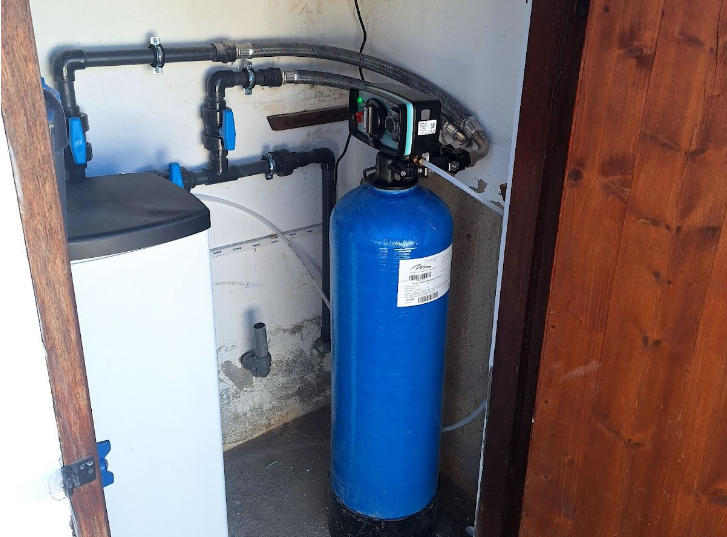
- Scale prevention upstream. A conditioner or softener reduces mineral load before it reaches the valve, which extends cartridge life.
Choosing the Right Valve Type
- Bar mixers are surface mounted and easy to service. They suit straightforward bathrooms and rental properties that need fast maintenance.
- Concealed mixers look clean and save space. They need a proper access panel or a rear service hatch to avoid future tile removal.
- Thermostatic bath shower mixers need special care on outlet sizing. If the spout or diverter is restrictive, temperature control can suffer.
Installation Tips For Stable Performance
- Keep pipe runs short and supported to minimise losses.
- Avoid excessive elbows that cut flow.
- Include isolation valves on both inlets for easy service.
- Set the maximum temperature stop to a safe limit during commissioning.
- If you have a recirculation loop or long hot runs, confirm the loop does not starve the mixer during peak use.
Safety Matters
Thermostatic valves are a key safety device for children, seniors and guests. Always test the hot cut off by briefly closing the cold feed during commissioning. Check the maximum stop and record the setting for future reference.
Maintenance Schedule For Algarve Conditions
- Quarterly. Clean head, handset, strainers and external screens.
- Annually. Inspect cartridge, O rings and NRVs. Replace if wear is visible or if control is drifting.
- Every two to three years. Consider a preventative cartridge replacement in very hard water homes, or pair with a conditioner to extend this interval.
Troubleshooting Scenarios
Shower is warm at first, then drifts colder.
Likely a supply problem. Check hot capacity and PRV set point. A tired cartridge can also cause drift.
Great temperature but poor flow.
Most often a restriction. Clean the head and strainers. If still poor, check inlet stops and pipe sizing.
Good on one bathroom, bad on another.
Compare supply routes and pressures. The struggling bathroom may have a longer or tighter route that needs correction.
Cartridge replaced but still unstable.
Pressure mismatch or a sticky non return valve can undo the good work. Balance pressures, replace NRVs, then retest.
Upgrade Paths
If maintenance only shortens the time between issues, upgrading can be smarter.
- Switch to a modern thermostatic bar mixer with better debris tolerance.
- Fit serviceable concealed bodies that accept widely available OEM cartridges.
- Add a PRV and accumulator at the home entry to stabilise the whole house.
- Pair with limescale prevention to protect all mixers and appliances, not just the shower.
FAQs
How long should a thermostatic cartridge last?
In average conditions three to five years. Hard water and pressure swings can shorten this. Prevention and balanced supplies extend life.
Do universal cartridges fit all mixers?
No. Always match the OEM cartridge. A near fit often causes poor control or leaks.
Is a concealed mixer a bad choice in rentals?
Not if you include an access panel. With a hatch, service is almost as fast as a bar mixer.
Will a water conditioner fix my unstable shower by itself?
It helps by reducing scale, but you still need balanced pressures and a sound cartridge.
When To Call Agua Choca
If your shower temperature wanders, if the handle feels gritty, or if you are replacing cartridges too often, book a service. We will stabilise temperatures, improve flow and set your system up for longer life.