

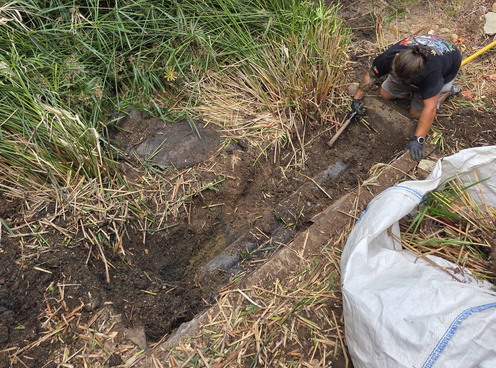
Underground drainage problems can feel overwhelming, especially when the damaged pipe runs beneath a driveway, garden, patio, swimming pool surround or finished interior floor. Traditionally, repairing a damaged drain meant excavation: breaking through surfaces, digging trenches, replacing pipework and then reinstating everything afterwards. For Algarve homes, villas, rental properties and commercial sites, that kind of disruption can be costly, slow and stressful.
Pipe lining offers a smarter alternative in many situations. Instead of removing the damaged pipe from the ground, trenchless pipe lining restores the drain internally. A resin liner is installed inside the existing pipe, where it cures to create a strong new pipe wall within the old one. The result is a more durable, sealed drainage line without the need for full replacement.
For property owners dealing with ageing drains, repeated drainage issues or underground pipe damage, pipe lining in the Algarve can be a practical way to restore performance while avoiding unnecessary excavation. It is especially useful where access is difficult, outdoor finishes are expensive to replace, or the property cannot afford extended downtime.
To understand whether pipe lining is suitable, the first step is usually a CCTV drain inspection. Agua Choca Plumbing can inspect the pipe, assess the damage and advise whether lining, point repair or replacement is the right option. For more information on our services, visit the Agua Choca Plumbing home page.
What Pipe Lining Is
Pipe lining, also known as drain lining or sewer lining, is a trenchless repair method used to rehabilitate damaged underground pipes from the inside. Instead of digging down to remove and replace the existing drain, a liner saturated with specialist resin is inserted into the pipe.
Once in position, the liner is expanded against the inside wall of the existing pipe. The resin then cures and hardens, creating a new internal pipe structure. This new layer helps seal cracks, reinforce weakened areas, improve flow and prevent further leaks or root entry.
The process is commonly used for underground drainage systems where the pipe is damaged but still suitable as a host pipe for lining. It is not simply a temporary patch. When properly specified and installed, pipe lining is designed as a long-term rehabilitation method.
Pipe Lining vs Pipe Replacement
The main difference between pipe lining and pipe replacement is how the repair is carried out.
Pipe Replacement
Pipe replacement usually involves:
- locating the damaged pipe
- breaking open the surface above it
- excavating down to the pipe
- cutting out the damaged section
- installing new pipework
- backfilling the trench
- reinstating paving, landscaping, flooring or concrete
This may still be necessary when a pipe is fully collapsed, badly deformed, incorrectly graded or unsuitable for lining. However, it is often the most disruptive option.
Pipe Lining
Pipe lining usually involves:
- inspecting the drain with CCTV
- cleaning and preparing the pipe
- inserting a resin liner
- curing the liner in place
- completing a final CCTV inspection
When the pipe is suitable, lining avoids much of the surface disruption linked to replacement. That is especially valuable where drains run beneath finished or landscaped areas.
How Resin Lining Restores the Pipe Internally
The strength of pipe lining comes from the resin system and the liner material. Once installed and cured, the liner forms a new internal surface that bonds closely with the existing pipe.
This can help with:
- cracks
- open joints
- minor fractures
- localised corrosion
- root entry points
- leaking underground drains
- ageing pipe surfaces
- infiltration points where groundwater enters the drain
Before lining takes place, the pipe must be cleaned properly. This is an important step because the liner needs a clean, prepared surface to cure correctly. Depending on the pipe condition, cleaning may include high-pressure jetting, root cutting or descaling.
Once the pipe is prepared, the liner can be positioned and cured. A final CCTV inspection confirms the quality of the finished repair and provides useful documentation for the property owner, property manager or insurer.
When Full Lining Is Better Than Point Repair
Point repair and pipe lining are related, but they are not the same.
Point repair is best for a short, isolated defect. For example, one cracked joint or one root entry point may be repaired with a localised patch or sectional liner.
Pipe lining is usually better when:
- damage extends across a longer section
- there are several defects in one pipe run
- the pipe is generally worn or ageing
- multiple joints are leaking
- the pipe needs a more continuous internal repair
- repeated issues suggest the line is deteriorating overall
A CCTV inspection helps decide which option makes more sense. In some cases, one point repair is enough. In others, full lining gives better long-term value because it addresses a larger section of vulnerable pipe.
Benefits for Older Algarve Properties
Many Algarve properties have underground drainage systems that have been added to, repaired or altered over time. Older pipework may still function, but it can become vulnerable to cracks, open joints, root entry and recurring blockages.
Pipe lining can be particularly useful for older homes because it strengthens the existing drain without the need to remove it completely. This helps property owners avoid major disruption while improving the reliability of the drainage system.
For villas and holiday homes, the benefit is even clearer. A lined drain can reduce repeat callouts and help avoid disruption during guest stays or peak rental periods.
Benefits for Commercial Properties
Commercial properties cannot always afford the downtime that excavation creates. Restaurants, hotels, resorts, retail centres and managed properties need drainage repairs that are planned, documented and completed with as little disruption as possible.
Trenchless pipe lining can help commercial clients by:
- reducing the need for excavation
- shortening repair timelines
- protecting entrances, kitchens, patios and customer areas
- providing CCTV evidence before and after the repair
- supporting planned maintenance instead of emergency disruption
For commercial sites in the Algarve, this can be an important part of a wider drainage maintenance strategy.
Access, Curing and CCTV Verification
Every pipe lining job starts with access. In many cases, technicians can work through existing inspection chambers or access points. Where access is limited, the property may need a small access opening, but this is still usually less disruptive than full excavation.
Curing depends on the liner type and the system used. The goal is to create a hardened internal pipe that reinforces the existing drain and seals the damaged section.
After curing, CCTV verification is essential. This confirms:
- the liner is correctly positioned
- the pipe remains open and flowing
- the repair has cured properly
- no obvious installation issues are present
- the client has visual proof of the finished result
This documentation is especially helpful for overseas owners, landlords, property managers and insurance-related repair records.
When Pipe Lining May Not Be Suitable
Pipe lining is not suitable for every damaged drain. A professional assessment is needed before recommending it.
Lining may not be suitable if:
- the pipe is fully collapsed
- the drain has a severe backfall
- the pipe is badly deformed
- the host pipe cannot support the liner
- access is not possible
- the damage requires complete rerouting or replacement
In these cases, excavation or a different repair method may be needed. A reliable contractor should always recommend the correct repair, not simply the most convenient one.
Why Professional Diagnosis Matters
The success of pipe lining depends on accurate diagnosis. If the wrong repair method is chosen, the issue may return.
A proper diagnosis should identify:
- the pipe material
- the pipe diameter
- the location and length of damage
- whether roots are present
- whether the pipe has collapsed
- whether the gradient is acceptable
- whether point repair, pipe lining or replacement is best
Agua Choca Plumbing can carry out inspection, diagnosis and repair recommendations for underground drainage problems across Algarve properties. To speak to the team, use the Agua Choca contact page.
Conclusion
Pipe lining is a practical, modern alternative to full drain replacement when the existing pipe is suitable. It can restore damaged underground drains from the inside, reduce excavation, protect valuable property finishes and provide long-term drainage performance.
For Algarve homeowners, villa owners, property managers and commercial clients, trenchless pipe lining can be a smarter way to deal with damaged drains, especially where digging would be disruptive or expensive.
If you are dealing with recurring drainage problems, cracked underground pipes or suspected drain damage, book a CCTV inspection with Agua Choca Plumbing. We’ll confirm whether pipe lining, point repair or replacement is the right solution for your property.
Q&As
1. What is pipe lining?
Pipe lining is a trenchless repair method where a resin liner is installed inside an existing damaged pipe. Once cured, it creates a strong new internal pipe wall.
2. Is pipe lining the same as point repair?
No. Point repair is used for short, localised defects, while pipe lining is better for longer sections of damaged or ageing pipe.
3. Does pipe lining require digging?
In many cases, no major excavation is needed. The repair is usually completed through existing access points after CCTV inspection and pipe cleaning.
4. How do I know if my drain is suitable for lining?
A CCTV drain inspection is needed to check the pipe condition, access, damage type and whether the pipe can support a liner.
5. When is pipe replacement still necessary?
Replacement may be needed if the pipe is fully collapsed, badly deformed, incorrectly graded or unsuitable for trenchless repair.