

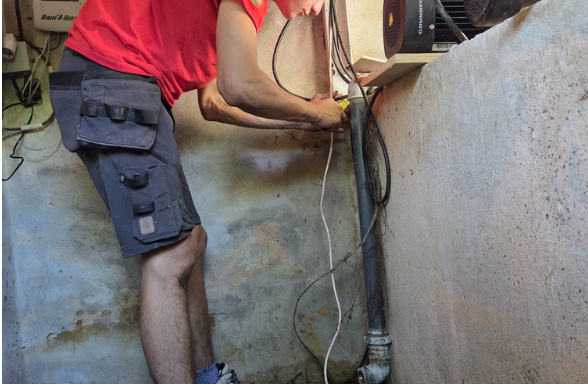
Many Algarve homes rely on water pumps more than homeowners realise. Pumps help maintain pressure, move water from tanks, support irrigation systems, serve rural properties and keep certain plumbing systems working smoothly. When a pump is healthy, it runs quietly in the background. When it starts to fail, the signs can be frustrating: poor pressure, cycling noises, air in the line, strange vibrations, leaks or sudden loss of water.
Water pump maintenance is essential for homes, villas, holiday rentals and rural properties across the Algarve. A pump failure can disrupt daily comfort, damage connected systems and create unnecessary emergency callouts. The good news is that many pump problems can be spotted early through routine inspection and preventative servicing.
This guide explains where domestic pumps are used, the most common pressure pump problems, how to protect pumps from leaks and dry running, and when replacement may be smarter than repeated repair.
Where Domestic Water Pumps Are Used
Domestic pumps are used in different ways depending on the property layout and water supply setup.
Water Pressure Boosting
Some homes use a pump to improve water pressure where mains supply is inconsistent or where upper floors need stronger flow. If the pump is not set up correctly, you may notice weak showers, pressure drops or pulsing taps.
Stored Water Systems
Properties with water storage tanks often need pumps to move water from the tank into the home. This is common in villas, rural properties and homes where stored water provides backup or supply stability.
Irrigation and Garden Supply
Large gardens and landscaped properties may use pumps to feed irrigation zones, garden taps or outdoor water points. Pump sizing matters here because irrigation demand can be high, especially during dry months.
Lower-Level Drainage or Collection Systems
Some properties use pumps to move collected water away from lower-level areas. These systems need careful maintenance because pump failure can lead to flooding or water damage.
Holiday Homes and Rental Properties
Holiday lets may sit unused for periods, then suddenly experience high demand during guest stays. This stop-start pattern can be hard on pumps, especially if the system is not checked before peak season.
Common Pump Problems
Most pump problems give warning signs before complete failure. Recognising them early can save time, money and disruption.
Pressure Loss
Pressure loss may show up as:
- weak showers
- slow-filling taps
- poor irrigation coverage
- pressure dropping when two outlets run at once
- inconsistent flow between rooms
Pressure loss can be caused by a tired pump, blocked filters, air in the line, incorrect pressure settings, leaks or an undersized system.
Short Cycling
Short cycling is when the pump switches on and off too frequently. This is one of the most important warning signs because it places extra stress on the motor.
Common causes include:
- pressure tank issues
- incorrect pressure settings
- a hidden leak
- faulty pressure switch
- insufficient air charge
- damaged non-return valve
Short cycling should not be ignored. It can shorten pump life significantly.
Pump Running Continuously
If the pump runs without stopping, there may be:
- a leak somewhere in the system
- a failed pressure switch
- loss of prime
- a faulty non-return valve
- dry running risk
- a damaged impeller or internal fault
A pump running continuously wastes electricity and can burn out.
Air in the Water Line
Air can cause spluttering taps, noisy pipes and unstable pressure. It may come from:
- a suction-side leak
- low tank level
- poor priming
- damaged seals
- incorrect pipe arrangement
Noise and Vibration
A healthy pump should not sound like it is fighting the system.
Warning sounds include:
- grinding
- rattling
- humming without pumping
- excessive vibration
- knocking in pipework
- sudden changes in pitch
Noise can indicate worn bearings, loose mounting, cavitation, debris, pipe vibration or pressure problems.
Pressure Loss and Cycling Issues
Pressure pump problems are often connected. A small leak can cause pressure to drop. The pump then switches on to restore pressure. If that happens repeatedly, the pump short cycles. Over time, the motor wears faster and connected fittings experience more stress.
This is why diagnosis matters. Replacing a pump without solving the underlying pressure issue may only provide a temporary fix.
A proper pressure diagnosis should check:
- pressure switch settings
- pressure tank performance
- filters and strainers
- non-return valves
- visible leaks
- hidden leaks where suspected
- pipe sizing and restrictions
- pump sizing for the property’s demand
For homes with multiple bathrooms or irrigation zones, the system must be assessed under real usage conditions, not only at one tap.
Protecting Pumps From Leaks
Leaks are one of the most common reasons pumps overwork. Even a small leak can cause repeated pressure drops and unnecessary cycling.
Potential leak points include:
- pipe joints
- flexible connectors
- irrigation valves
- toilet cisterns
- pressure tank fittings
- pump seals
- filters and housings
- buried outdoor pipework
A pump that keeps switching on when nobody is using water may be responding to a leak. This should be investigated quickly because the pump is telling you something is wrong.
Protecting Pumps From Dry Running
Dry running happens when the pump operates without enough water. This can cause serious damage because the pump relies on water for cooling and lubrication.
Dry running can occur when:
- the storage tank level is too low
- an inlet becomes blocked
- there is air in the suction line
- a valve is closed accidentally
- the pump loses prime
- the system is poorly protected
Pump protection plumbing may include:
- dry-run protection devices
- float switches
- low-level cut-off controls
- correct non-return valves
- proper priming points
- accessible isolation valves
- well-positioned filters
These protections are especially important in seasonal properties where owners may not be present to notice early signs.
Maintenance Checks for Water Pumps
A routine domestic water pump service should include both pump checks and system checks.
Visual Checks
A technician should inspect:
- pump body and base
- mounting and vibration
- pipe supports
- visible leaks
- pressure tank condition
- valves and unions
- filters and strainers
- signs of corrosion or overheating
Pressure and Function Checks
The service should also test:
- pump cut-in and cut-out pressure
- pressure tank charge
- flow under normal use
- cycling behaviour
- pressure stability
- switch operation
- non-return valve performance
Cleaning and Minor Adjustments
Maintenance may include:
- cleaning inlet strainers
- replacing filter cartridges where applicable
- tightening loose fittings
- adjusting pressure settings
- recharging pressure tanks
- improving support or vibration control
- advising on worn parts
A good service should end with clear feedback: what was checked, what was adjusted and what may need attention soon.
Warning Signs That Need Immediate Attention
Book a pump inspection if you notice:
- pump switching on and off repeatedly
- pump running when no water is being used
- sudden pressure drop
- no water at taps
- noise or vibration from the pump area
- water leaking around the pump
- burning smell or overheating
- irrigation no longer reaching all zones
- air spluttering from taps
- pressure changing day to day
These symptoms can indicate anything from a simple setting issue to a pump nearing failure. Early diagnosis keeps options open.
When Replacement Is Smarter Than Repair
Not every pump should be repaired indefinitely. In some cases, replacement is the more cost-effective and reliable option.
Replacement may be smarter when:
- the pump is old and inefficient
- replacement parts are hard to source
- the pump is undersized for current demand
- repeated repairs are becoming frequent
- the motor is overheating
- the pump housing is corroded
- pressure problems remain even after adjustment
- the property usage has changed
For example, a villa that now operates as a holiday rental may place more demand on the system than the original pump was designed to handle. In that case, a correctly sized replacement can improve performance and reduce future callouts.
Water Pump Maintenance for Holiday Homes
Holiday properties need a slightly different maintenance approach because occupancy changes quickly.
Before peak season, check:
- pump pressure and cycling
- tank levels and float switches
- filters and strainers
- irrigation supply performance
- leaks around the pump set
- backup or emergency shutoff details
- noise and vibration
For property managers, keeping a service record helps track recurring issues. It also gives overseas owners confidence that the property is being maintained properly.
How Agua Choca Helps
Agua Choca can inspect, service and advise on domestic water pump systems across Algarve homes and villas.
Our pump-related services can include:
- pump inspections
- pressure checks
- leak checks
- filter and strainer checks
- pressure tank assessment
- pressure switch troubleshooting
- pump protection recommendations
- replacement guidance where repair is no longer sensible
The aim is to keep your pump working reliably, protect connected plumbing and reduce avoidable emergency callouts.
Conclusion
Water pumps are essential in many Algarve homes, especially villas, rural properties, stored-water systems and holiday rentals. When they are maintained properly, they provide reliable pressure and support daily comfort. When they are ignored, they can create pressure problems, leaks, noise, dry-running damage and sudden system failure.
If your pump is cycling, losing pressure, making unusual noises or struggling to keep up with demand, contact Agua Choca. We can inspect the system, identify the cause and recommend the right maintenance, repair or replacement option for your property.