Author: Agua Choca Plumbing

Pressure Problems? Understanding and Fixing Low Water Pressure in Your Home

Fixing Low Water Pressure in Your Home

When the Flow Fades

Few things are more frustrating than stepping into the shower or turning on a tap only to be met with a trickle of water. Low water pressure is one of the most common plumbing issues faced by homeowners, especially in older Algarve properties or areas with fluctuating municipal supply.

While it might seem like a minor inconvenience, low pressure often signals an underlying problem in your plumbing system. From sediment build-up to faulty valves, even small issues can lead to bigger headaches if ignored.

At Agua Choca Plumbing, we help homeowners across the Algarve restore proper water flow quickly and safely, ensuring your system runs efficiently from tap to tank.

Why Water Pressure Matters

Water pressure affects more than convenience, it influences how efficiently your plumbing system works.

When pressure drops below normal, showers become weak, washing machines underperform, and heating systems struggle to circulate hot water effectively. Low pressure can also put unnecessary strain on your appliances, shortening their lifespan and increasing energy costs.

Consistent water pressure ensures that your home operates as intended, providing comfort, efficiency, and reliability in every room.

Common Causes of Low Water Pressure

Low water pressure can have multiple causes, and identifying the correct one requires a careful inspection of your plumbing system. Here are the most common culprits homeowners encounter:

1. Mineral or Limescale Build-Up

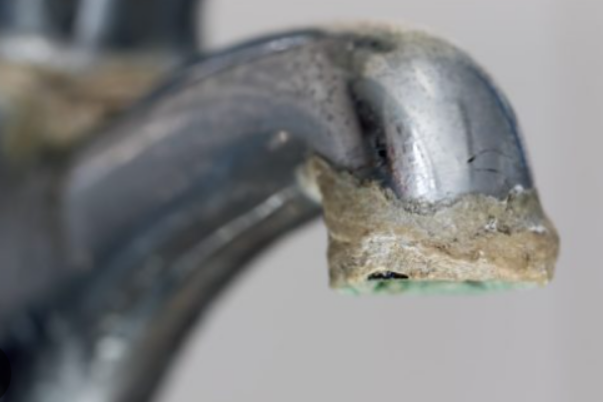
The Algarve’s water supply is known for its hard water, which contains minerals like calcium and magnesium. Over time, these minerals build up inside pipes and fittings, narrowing the internal diameter and restricting water flow.

This is especially common in older homes or properties with galvanised or copper pipes.

2. Partially Closed or Faulty Valves

A simple yet often overlooked cause, a valve that isn’t fully open. Both the main shut-off valve (near your water meter) and the internal stopcock can affect household water pressure if only partially turned on or if the valve is faulty.

3. Hidden Leaks

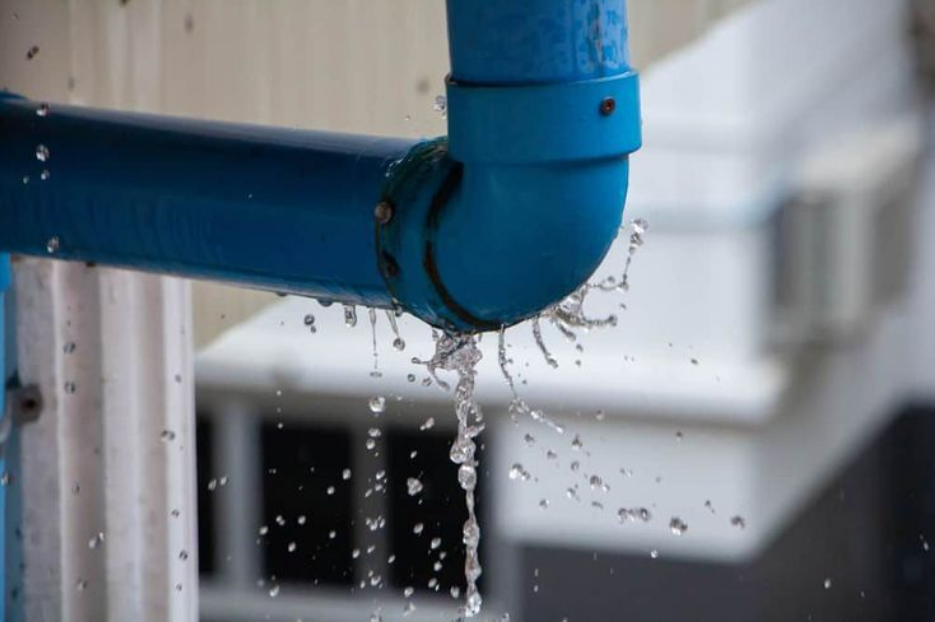
Even a small leak can drastically reduce water pressure. As water escapes from the system, less pressure remains for fixtures and appliances. Common leak sites include underground pipes, behind walls, or at joints and fittings.

A professional plumber uses pressure tests and moisture detection tools to pinpoint hidden leaks without unnecessary damage.

4. Municipal Supply Issues

Sometimes, the issue isn’t inside your property. Water pressure may drop temporarily if your local supply network is undergoing maintenance or high-demand conditions. A professional assessment can confirm whether the issue is internal or external.

5. Corrosion in Old Pipes

In older Algarve homes, corrosion can weaken pipe walls, causing rough surfaces that restrict water flow. Over time, corrosion also leads to small leaks and eventual pipe failure if not addressed.

6. Faulty Pressure Regulator

If your property has a pressure regulator (PRV), it may become stuck or fail with age. A malfunctioning PRV can cause sudden pressure fluctuations, too low or too high, both of which stress your plumbing system.

How to Check Water Pressure at Home

While professional testing is the most accurate way to diagnose water pressure issues, homeowners can perform a basic check with a pressure gauge available at most hardware stores.

  1. Turn off all water-using appliances.
  2. Attach the gauge to an outdoor tap or washing machine connection.
  3. Open the tap fully and read the pressure.

Normal household water pressure in Portugal typically ranges between 2 and 4 bar. Anything below that may require investigation, especially if you notice inconsistent flow between taps or floors.

If your reading is significantly below this range, it’s time to call in the experts at Agua Choca Plumbing.

Why DIY Fixes Often Fail

It’s tempting to try a quick fix, but low water pressure can stem from complex or hidden issues. Replacing a showerhead or adjusting valves might mask the symptom, not solve the cause.

In some cases, DIY attempts can even make things worse. Over-tightening fittings, using the wrong tools, or introducing debris into the system can lead to leaks or pipe damage.

A professional plumber doesn’t just restore pressure, they ensure your system operates safely, preventing future issues and unnecessary repair costs.

How Agua Choca Plumbing Solves Pressure Problems

At Agua Choca Plumbing, we use a methodical approach to identify and resolve water pressure issues efficiently.

1. Full System Inspection

We start by assessing your property’s plumbing layout, valve positions, and pipe materials. Using advanced tools, we locate blockages, leaks, or corrosion that might restrict flow.

2. Pressure Testing

Our technicians perform detailed pressure readings at multiple points throughout the system to determine where the drop occurs, whether at the entry point, internal piping, or specific fixtures.

3. Targeted Repairs or Replacements

Depending on the findings, we may:

  • Clean or replace clogged fixtures and aerators
  • Repair or upgrade faulty valves
  • Replace old or corroded pipes
  • Adjust or replace pressure regulators
  • Seal leaks and reinforce joints

4. Preventive Recommendations

Once the immediate issue is fixed, we provide advice on maintaining steady pressure, from descaling solutions to periodic inspections that catch early signs of trouble.

Preventing Future Water Pressure Problems

Preventive care keeps your plumbing system running smoothly for years to come. Here’s how homeowners can maintain consistent water pressure:

  • Install a water softener if you live in a hard water area. It prevents mineral deposits that restrict flow.
  • Schedule annual plumbing inspections to identify potential pressure drops early.
  • Flush pipes periodically to clear sediment build-up.
  • Replace ageing fixtures and valves before they fail.
  • Monitor usage trends, especially in multi-storey homes or rental properties.

Regular maintenance doesn’t just prevent pressure problems, it improves system longevity and efficiency.

Why Choose Agua Choca Plumbing

Homeowners across the Algarve trust Agua Choca Plumbing for our local knowledge, transparent service, and fast response.

We don’t just fix plumbing issues, we deliver peace of mind. Our technicians combine technical expertise with a deep understanding of the region’s water systems, ensuring every repair or upgrade is built to last.

Whether it’s diagnosing pressure loss, installing new pipes, or improving water efficiency, our goal is always the same: reliable plumbing that performs when you need it most.

Conclusion: Don’t Settle for a Weak Flow

Low water pressure isn’t just inconvenient, it’s a sign that your plumbing system needs attention. Left unchecked, it can lead to wasted water, higher energy bills, and avoidable damage.

With professional support from Agua Choca Plumbing, you can restore strong, consistent flow throughout your home, and enjoy showers, taps, and appliances that perform exactly as they should.

When your water slows down, we’ll get it back up to speed.
Hot Water on Demand: Choosing the Right Water Heater for Algarve Homes

Hot Water on Demand

The Everyday Essential You Can’t Live Without

Few things feel as routine, or as necessary, as turning on a tap and having instant hot water. Behind that convenience lies one of the most important systems in any home: the water heater.

Whether for a quick morning shower, a warm bath, or washing up after dinner, your hot water system quietly supports daily comfort and hygiene. But when it starts to fail, delivering lukewarm water, taking too long to heat, or using too much energy, it becomes more than just an inconvenience.

At Agua Choca Plumbing, we help Algarve homeowners find the right balance between comfort, efficiency, and cost by recommending and installing water heating systems tailored to their property and lifestyle.

Understanding Your Options: Types of Water Heaters

The Algarve’s climate allows for a variety of water heating systems, each with its own strengths. Choosing the right one depends on your property type, hot water usage, and energy goals.

Let’s explore the main options available:

1. Electric Water Heaters

Electric systems are among the most common in Portuguese homes. They heat water through an internal element inside a storage tank or on demand.

Pros:

  • Easy to install and operate
  • Ideal for smaller households or apartments
  • Consistent performance, regardless of weather
  • Minimal maintenance required

Cons:

  • Higher electricity consumption compared to gas or solar
  • Slower recovery time for larger water demands

Electric heaters remain a reliable choice for urban areas or properties without gas connections, and they pair well with time-based tariffs for energy savings.

2. Gas Water Heaters

Gas water heaters use natural gas or LPG to heat water on demand, offering efficient and fast performance.

Pros:

  • Instant hot water with minimal waiting time
  • Lower operating cost compared to electric heaters
  • Compact, space-saving designs
  • Suitable for larger households

Cons:

  • Requires ventilation and proper installation for safety
  • Gas supply must be consistent and safely managed

These systems are ideal for homes with frequent hot water use or multiple bathrooms. With professional installation and annual checks, gas heaters are both efficient and dependable.

3. Solar Water Heaters

In the Algarve, where sunshine is abundant for most of the year, solar water heating is an increasingly popular option.

Pros:

  • Significant energy savings, up to 70% less electricity use
  • Environmentally friendly and sustainable
  • Long lifespan and low running costs
  • Ideal for detached homes or villas

Cons:

  • Higher upfront installation cost
  • Reduced efficiency during extended cloudy periods (though backup systems compensate)

Solar systems harness the Algarve’s natural advantage, making them one of the smartest long-term investments for homeowners seeking efficiency and sustainability.

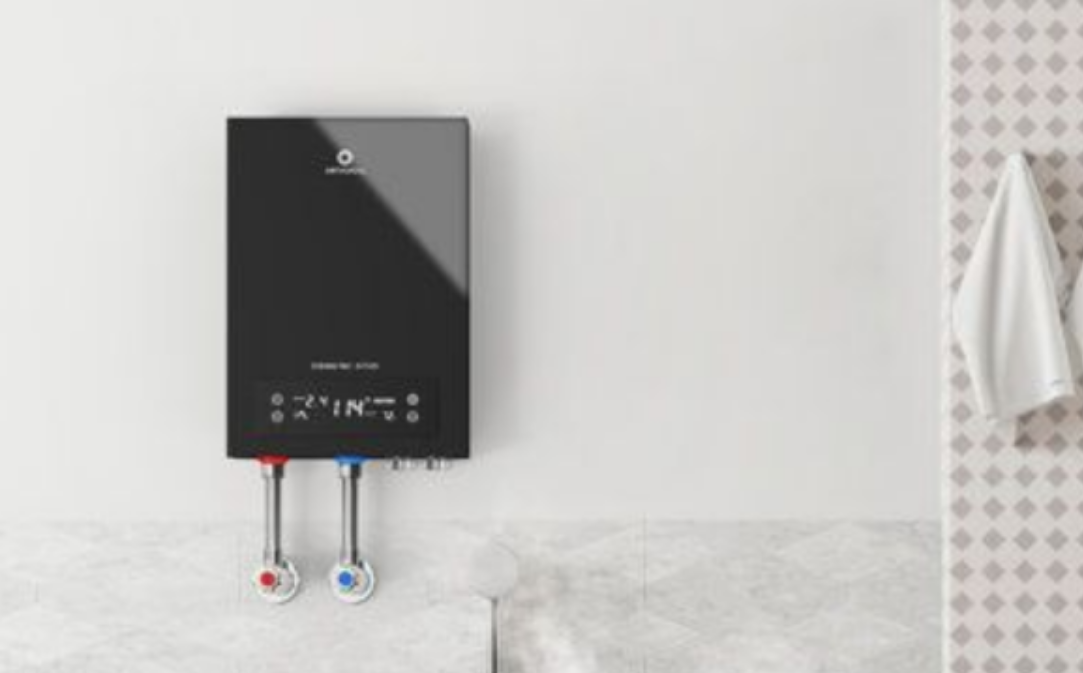
4. Tankless (Instant) Water Heaters

Also known as on-demand heaters, these systems heat water only when it’s needed, eliminating the standby losses of storage tanks.

Pros:

  • Unlimited hot water supply
  • Compact and space-efficient
  • Highly energy efficient
  • Ideal for modern homes with limited space

Cons:

  • Higher initial installation cost
  • May require system upgrades for older plumbing setups

Tankless models are perfect for households that value convenience, performance, and energy savings in the long term.

Factors to Consider Before Choosing

No two homes are the same. The best water heater for your Algarve property depends on several key factors:

1. Household Size and Usage

  • A small flat with one bathroom may only need a compact electric or tankless system.
  • A large family villa will benefit from a higher-capacity gas or solar system to handle multiple showers and appliances.

2. Available Energy Sources

Consider what’s readily available at your property, electricity, gas, or ample roof space for solar panels.

3. Space and Installation Requirements

Tank-based systems require installation space, while tankless units can fit in tight areas. Solar systems, on the other hand, require adequate roof exposure to sunlight.

4. Energy Efficiency Goals

If reducing energy consumption or carbon footprint is a priority, solar or hybrid systems provide excellent long-term benefits despite their initial cost.

5. Budget and Maintenance

Factor in both the upfront cost and the ongoing maintenance requirements. Some systems cost more to install but pay for themselves through lower running costs.

Signs It’s Time to Replace Your Current System

If your current water heater is showing any of these warning signs, it might be time to consider an upgrade:

  • Inconsistent or fluctuating water temperature
  • Unusual noises from the tank or heater
  • Rust-coloured water or metallic taste
  • Leaks around fittings or valves
  • Longer heat-up times and rising energy bills

Age is also a factor. Most conventional water heaters last between 8 and 12 years, while solar systems can exceed 15 years with proper maintenance.

If your system is near the end of its lifespan, upgrading now can save you from emergency repairs later, and improve efficiency immediately.

Professional Installation Makes All the Difference

Choosing the right heater is only half the equation, professional installation determines how efficiently it performs.

At Agua Choca Plumbing, we handle every step of the process:

  • Site inspection and system recommendation
  • Safe and compliant installation
  • Connection to existing plumbing and energy systems
  • Final testing and efficiency verification

Our experienced technicians ensure your new water heater operates at its optimal capacity from day one, delivering steady, efficient hot water without compromise.

The Importance of Regular Maintenance

Like any appliance, water heaters need regular maintenance to stay efficient. Over time, mineral deposits can form inside tanks or heating elements, especially in the Algarve’s hard water regions.

Annual maintenance helps:

  • Improve heating performance
  • Prevent corrosion and leaks
  • Extend system lifespan
  • Maintain energy efficiency

Agua Choca Plumbing offers inspection and servicing for all types of systems, ensuring your heater continues to perform smoothly, season after season.

Eco-Friendly Heating for Algarve Homes

Sustainability is becoming a top priority for homeowners in Portugal. Solar and hybrid water heaters not only reduce electricity consumption but also lower carbon emissions, helping homes become more self-sufficient.

Agua Choca Plumbing helps clients transition to greener solutions by evaluating their property layout and recommending systems that match both lifestyle and energy goals.

Whether it’s installing solar panels or integrating efficient electric systems, we help homeowners make responsible choices without compromising on comfort.

Why Choose Agua Choca Plumbing

Agua Choca Plumbing has earned its reputation across the Algarve by combining technical expertise with personal service.

  • Experienced professionals: Skilled in all water heater types, from gas to solar.
  • Local knowledge: We understand Algarve water quality, climate, and installation standards.
  • Transparent pricing: No hidden costs, just honest, professional service.
  • Fast response: Efficient turnaround for repairs, replacements, or emergencies.

From minor issues to full system installations, our team delivers lasting solutions designed for Algarve homes.

Conclusion: The Right System, Installed the Right Way

Your home’s comfort and efficiency depend on a reliable, well-chosen water heater. With so many options available, expert advice ensures you get a system that matches your needs, energy goals, and budget.

At Agua Choca Plumbing, we make the process simple, guiding you through selection, installation, and maintenance so you can enjoy hot water on demand, every day.

Because when it comes to comfort, efficiency, and reliability, the right system makes all the difference.

Beat Limescale in the Algarve: Protect Your Pipes, Taps & Appliances

Beat Limescale in the Algarve

White marks on taps. Cloudy kettle water. A shower screen that never looks truly clean. If this sounds familiar, you’re dealing with limescale, an everyday challenge for many Algarve households. This guide explains why it happens, what it does to your plumbing, the quick wins you can try today, and the longer‑term solutions Agua Choca can install to protect your home in Faro, Loulé, Albufeira, Portimão, Lagos and across the region.

Why Algarve Homes Suffer from Limescale

Hard water contains elevated levels of dissolved minerals (mostly calcium and magnesium). When heated or left to evaporate, inside kettles, water heaters, showerheads, taps and pipework, those minerals precipitate into the chalky, stubborn deposits we call limescale. Coastal conditions, groundwater sources and mineral‑rich aquifers make limescale a common reality here.

Typical signs include:

  • Chalky rings in kettles and white crust on taps and showerheads
  • Stiff laundry and glassware that won’t sparkle
  • “Flat” or weak showers as scale starts to clog aerators and mixers
  • A water heater that seems to run longer but deliver less

What Limescale Does to Your Plumbing (and Bills)

Left unchecked, limescale can:

  • Reduce pipe diameter and flow, leading to pressure complaints and slow‑to‑fill fixtures
  • Insulate heating elements, forcing water heaters to work harder and use more electricity or gas
  • Wear out cartridges, valves and seals, increasing the risk of drips and early failure
  • Shorten appliance life, especially kettles, dishwashers, washing machines and instant heaters

Quick Wins You Can Do Today

  • Descale fixtures: Soak showerheads and aerators in warm white vinegar or citric acid, then rinse and brush.
  • Wipe down after use: A quick dry of taps, tiles and glass stops mineral spots forming.
  • Use descaling cycles on kettles, coffee machines and dishwashers per manufacturer guidance.
  • Fit limescale‑resistant aerators: They’re inexpensive and slow down build‑up.

Long‑Term Solutions: Conditioner vs Softener

Not all solutions are the same. Choosing the right one depends on water use, space, budget and desired outcomes.

Scale inhibitors / conditioners (salt‑free):

  • Treat water to make minerals less likely to stick to surfaces
  • Pros: Low maintenance, no salt, compact footprint, suitable for many households
  • Cons: Don’t fully remove minerals; best as prevention + easier clean‑off rather than total elimination

Ion‑exchange softeners (salt‑based):

  • Swap calcium/magnesium for sodium/potassium, significantly reducing hardness
  • Pros: Most effective at preventing scale inside pipework and appliances
  • Cons: Requires salt, periodic regeneration and a drain connection; needs enough install space

Pre‑filtration and point‑of‑use options:

  • Sediment pre‑filters protect valves and appliances
  • Under‑sink cartridges can improve taste and reduce scale at key outlets (e.g., kitchen tap)

Agua Choca can advise on the best mix, whole‑home protection, targeted outlets, or a staged approach that fits your home and budget.

Protecting Your Water Heater & Appliances

  • Flush storage water heaters periodically to remove sediment and scale flakes
  • Service instant water heaters to descale heat exchangers and maintain safe, efficient operation
  • Add isolation valves at mixers and appliances to make future servicing fast and tidy

When to Call a Plumber

Reach out if you notice:

  • Persistent low flow even after cleaning aerators and showerheads
  • Noisy or inefficient water heaters (popping, rumbling, frequent temperature swings)
  • Frequent cartridge failures in taps or thermostatic shower valves
  • Limescale returning rapidly despite DIY efforts

Our Survey & Installation Process

  1. On‑site assessment: Visual check of key fixtures and appliances
  2. Hardness test: Simple measurement to understand your starting point
  3. Options & quote: Conditioner vs softener, pre‑filters, point‑of‑use upgrades
  4. Neat installation: Compact layouts, tidy pipework, clear labelling and isolation
  5. Aftercare: Maintenance schedule and tips to keep scale at bay

Conclusion

Limescale is common in the Algarve, but it doesn’t have to be costly. With the right combination of daily habits, targeted descaling and a professional prevention setup, you can protect your plumbing and lower running costs. Need help choosing the right solution? Contact Agua Choca, your local plumbing team in the Algarve.

Bathroom Renovation in the Algarve: A Plumber’s Checklist for a Flawless Finish

Bathroom Renovation in the Algarve

A beautiful bathroom depends on what’s behind the tiles. Before you pick taps and tiles, make sure the plumbing plan is solid. This practical checklist, built around Algarve homes and water conditions, will help you avoid weak showers, slow drains, leaks and expensive rework.

1) Start with Pressure & Flow

  • Measure static pressure and flow at key points (kitchen, main bathroom, top floor).
  • Balance hot and cold supplies to suit modern mixers and thermostatic showers.
  • If you’re dreaming of a large rainfall head, confirm you have the flow to feed it, or choose an efficient model designed for lower pressures.

2) Layout: Short Runs, Smart Routing

  • Keep hot and cold runs as short and direct as possible to reduce heat loss and pressure drop.
  • Avoid sharp bends that add friction; use sweep fittings and sensible pipe sizing.
  • Plan isolation valves at each WC, basin, bath and shower for easier maintenance.

3) Waste Falls & Venting (Goodbye, Drain Odours)

  • Correct gradients prevent standing water and soap scum build‑up.
  • Use the right trap depth for showers (especially low‑profile channels) to resist odour backflow.
  • Provide adequate venting/air admittance where appropriate to stop gurgling and siphoning.

4) The Right Shower System

  • Thermostatic mixers keep temperatures stable and safe.
  • Check cartridge compatibility with Algarve water conditions; some models tolerate scale better.
  • Choose heads and handsets with easy‑clean nozzles to reduce limescale maintenance.

5) Pipework: Materials & Sizing

  • PEX, multilayer or copper, each has pros. Match the material to your layout and finishes.
  • Correct diameters matter: undersized feeds create pressure complaints at peak times.
  • Install manifold or zoned layouts in larger renovations to balance performance and simplify servicing.

6) Waterproofing That Actually Works

  • Treat showers and wetrooms as tanked areas, not just tiled spaces.
  • Ensure continuous membranes behind tile backer boards, with careful sealing at corners and penetrations.
  • Pressure‑test before tiling; fix first, finish after.

7) Hot Water: Capacity and Comfort

  • Confirm your hot‑water source can deliver the flow and volume your new fixtures demand (long showers, deep baths).
  • Consider recirculation on longer runs to reduce wait times and water waste.
  • Protect heaters with limescale prevention (see Article 1) to maintain efficiency.

8) Fixtures that Save Water (and Still Feel Great)

  • Dual‑flush WCs, aerated basin mixers and efficient shower heads reduce consumption without ruining the experience.
  • Look for limescale‑resistant cartridges and nozzles to keep that “new bathroom” feel longer.

9) First‑Fix to Final‑Fix: Order Matters

  1. Strip‑out and survey hidden pipework
  2. First‑fix plumbing and pressure/flow tests
  3. Waterproofing and flood test
  4. Tiling and curing time
  5. Second‑fix: fit mixers, WCs, basins, shower glass
  6. Final pressure/leak tests and commissioning

10) Compliance & Best Practice

  • Follow local plumbing standards for pipe sizing, backflow prevention and safe hot‑water temperatures.
  • Include accessible shut‑offs and clear labelling for future maintenance.

11) What to Expect from Agua Choca

  • Site visit & plan review: We align plumbing with your layout and finishes.
  • Clear, itemised quote: Materials, labour and timeframes, no surprises.
  • Neat installation: Tidy runs, square fixings, level outlets.
  • Testing & handover: Pressure, flow and leak tests, plus aftercare tips.

Conclusion

Renovations succeed when plumbing is planned first, not last. With a solid design, quality materials and careful commissioning, your Algarve bathroom will look incredible and work flawlessly. Ready to plan it right from day one? Speak to Agua Choca for a neat, reliable installation.

Smart Water Leak Alerts: Modern Tech to Safeguard Your Home

Smart Water Leak Alerts

Not all plumbing disasters start with a burst pipe. Some begin quietly, drips behind walls, seepage under floors, or a slow leak in a hidden corner. In the Algarve’s humid climate, these small leaks can quickly lead to mould growth, warped floors, and even structural damage.

Smart leak detection systems are changing the game. By combining sensors, mobile alerts, and automatic shutoff valves, they provide homeowners with peace of mind, whether they’re at home, at work, or away on holiday.

How Smart Leak Detection Works

Small sensors are placed in vulnerable areas, under sinks, near boilers, behind dishwashers. When water is detected, they immediately send an alert to your phone. Some systems connect to a main shutoff valve, allowing the water supply to be cut automatically within seconds.

Why They’re Perfect for Algarve Homes

  • Instant notification: Stop leaks before they escalate into major damage.
  • Remote shutoff: Turn off your water supply from anywhere in the world.
  • Lower insurance risk: Many insurers offer reduced premiums for homes with leak detection.
  • Mould prevention: Quick action stops moisture buildup in humid conditions.

Types of Smart Leak Systems

  1. Standalone sensors: Easy to install and affordable, perfect for targeting key spots.
  2. Whole-home systems: Linked to your water main for total coverage.
  3. Usage monitoring systems: Track unusual water usage patterns and flag potential leaks.

Best Practices for Installation

  • Place sensors in kitchens, bathrooms, laundry rooms, and near boilers.
  • Ensure strong Wi-Fi coverage in all monitored areas.
  • Use a qualified plumber for installation to integrate shutoff valves correctly.
  • Test the system regularly to ensure it’s functioning.

Cost vs. Savings

While a smart leak detection system is an investment, it can save thousands in potential water damage repairs, not to mention protecting your home from the health risks of mould growth.

Why Choose Agua Choca Plumbing

We install and maintain the latest leak detection technology, customising systems for Algarve homes. From choosing the right devices to professional setup, we make sure your property is protected around the clock.

“Don’t wait for a leak to tell you there’s a problem, stop it before it starts.”

Protecting Your Plumbing from Algarve’s Coastal Corrosion

Protecting Your Plumbing In Algarve

Living along the Algarve coast offers an unbeatable lifestyle, sunny days, ocean breezes, and spectacular views. But with those benefits comes one hidden downside: the salty sea air that surrounds your home every day. While it might feel refreshing to you, it can be a nightmare for your plumbing system.

Over time, salt particles carried by the wind cling to exposed metal surfaces, accelerating rust, pitting, and general corrosion. This can shorten the lifespan of pipes, taps, and fixtures, leading to expensive repairs or even full system replacements.

Why Coastal Corrosion Happens

Coastal air contains microscopic salt particles that can travel kilometres inland. When these particles settle on metal surfaces, they create a thin film that traps moisture. In the Algarve, where humidity levels can remain high for much of the year, this moisture doesn’t dry quickly, making corrosion inevitable without preventive measures.

Materials such as untreated steel, low-grade copper, and some alloys are especially vulnerable, but even high-quality metals can suffer without regular care.

Plumbing Areas Most at Risk

  1. Outdoor taps and hose connections: Constant exposure to salt air speeds up rust formation.
  2. Hot water systems: Internal components like valves and heating elements can corrode from both the inside and outside.
  3. Metallic pipe joints: Especially where two dissimilar metals meet, galvanic corrosion can occur.
  4. Bathroom fixtures: Humid air combined with salty particles can cause chrome to pit and peel.

Protective Materials and Coatings

Protecting plumbing in Algarve’s coastal environment requires smart material choices:

  • Stainless steel (316 marine grade): High resistance to pitting and rust, ideal for fixtures.
  • Brass fittings: Excellent for taps and valves, as brass naturally resists corrosion.
  • Anti-corrosive coatings: Provide an additional barrier against salt penetration.
  • PVC or PEX piping: Immune to corrosion and perfect for internal supply lines.

Maintenance Strategies

  • Rinse regularly: Hose down outdoor taps and exposed fixtures with fresh water to remove salt deposits.
  • Schedule inspections: Have a plumber check vulnerable points every 6–12 months.
  • Improve ventilation: Keep bathrooms and kitchens well-aired to reduce condensation.
  • Apply protective products: Use specialised corrosion inhibitors for high-risk areas.

The Long-Term Benefits of Prevention

Investing in corrosion prevention isn’t just about saving your plumbing, it’s about protecting your property value. Coastal homes with well-maintained systems are more appealing to buyers, command higher prices, and avoid surprise repair bills.

Why Choose Agua Choca Plumbing

As Algarve locals, we’ve seen every kind of coastal plumbing issue. Our team knows which materials last, which coatings work, and how to prevent corrosion before it begins. Whether you need a system upgrade, inspection, or regular maintenance plan, we’ll keep your plumbing in top shape for years to come.

“Protect your home’s plumbing before the sea air takes its toll.”

The Real Reason Your Algarve Home Smells Musty: Drainage and Ventilation Issues

Drainage and Ventilation Issues

The Real Reason Your Algarve Home Smells Musty: Drainage and Ventilation Issues

It’s a common complaint among Algarve homeowners, especially those living in older villas or holiday homes: “My house always smells musty, even after cleaning.” You might have tried air fresheners, opened all the windows, scrubbed your drains, and deep-cleaned your carpets. But the smell returns.

The issue likely isn’t with your cleaning; it’s with your plumbing.

In many cases, persistent indoor odours are caused by invisible plumbing problems, such as blocked ventilation systems or biofilm buildup in drain lines. These problems are especially prevalent in warm, humid climates like the Algarve, where stagnant moisture and heat allow gases and bacteria to thrive.

What’s Really Causing That Musty Smell?

Many people assume musty odours come from mould, damp towels, or a forgotten bin, and sometimes they do. But when the smell lingers despite your best efforts, it may actually be coming from deep inside your plumbing system.

Here’s why:

  • Your plumbing relies on airflow. Every sink, toilet, and drain in your home is connected to a series of pipes and vent stacks that allow sewer gases to escape upward, not into your home.
  • When these vents become blocked (due to debris, dust, animal nesting, or corrosion), pressure builds inside the system, and gases get pushed into your living spaces through drains.
  • Simultaneously, if drain lines themselves have accumulated sludge or grease, the biological matter can begin to decompose, releasing foul odours that linger and worsen in warm, enclosed environments.

This means your beautiful Algarve kitchen or bathroom could be harbouring smells you can’t scrub away, because the problem isn’t surface-level.

Common Signs Your Plumbing May Be the Problem

If you’re unsure whether your plumbing is behind the smell, check for these red flags:

  • Odours near drains or sinks, especially after running water
  • Gurgling sounds in pipes (a sign of venting issues)
  • Slow-draining sinks or showers without visible clogs
  • Sewer smell in rooms not recently used, such as guest bathrooms
  • Stronger smells during hot or humid weather
  • Traps drying out quickly, particularly in floor drains or infrequently used bathrooms

Left unresolved, these issues can go from unpleasant to hazardous. Sewer gas contains methane, ammonia, and hydrogen sulfide, all of which are harmful to human health at high concentrations.

Why It’s Worse in Algarve Homes

Plumbing vent stacks are often routed through roofs. In the Algarve’s sunny climate, UV rays and heat accelerate pipe degradation, especially if made of older plastic or metal. Cracks, pinholes, and corrosion are more likely over time.

Additionally, Algarve homes built before modern building codes may have:

  • Improper venting systems
  • Shared vent stacks between multiple fixtures
  • No venting at all in extensions or guest bathrooms
  • DIY plumbing alterations from renovations

Holiday homes also have long periods of disuse, which allows traps to dry out, giving gases a direct path into your home.

How Agua Choca Diagnoses and Fixes the Problem

At Agua Choca Plumbing, we approach odour complaints as a system-wide issue, not just a smelly sink.

1. Drain Line Evaluation

We use inspection cameras and flow tests to identify areas where water may be pooling, flow is restricted, or biofilm has developed. Slow-moving drains are cleaned using high-pressure jetting or bio-enzymatic cleaners.

2. Vent Stack Inspection

Our team examines your vent pipes, both visible roof stacks and concealed interior venting systems. We check for obstructions, corrosion, animal nests, and structural issues.

3. Trap Seal Analysis

If a trap (the U-shaped part of your drain) is dry, cracked, or improperly installed, it can’t prevent gases from entering your home. We reseal or replace worn-out traps and ensure proper water retention.

4. System Pressure Balancing

Sometimes, pressure imbalance between fixtures causes gurgling or odour transfer. We install air admittance valves (AAVs) or adjust venting to rebalance your plumbing air flow.

5. Preventive Planning

For holiday homes, we offer maintenance schedules to flush systems, top up traps, and clean lines after long periods of vacancy. We also advise on fixture upgrades and proper system insulation.

Why Surface Cleaning Isn’t Enough

Even the best cleaning service can’t eliminate smells caused by internal venting problems. That’s why homeowners who rely solely on cosmetic fixes (like candles, sprays, or bleach) end up frustrated when smells return days later.

Plumbing issues require professional diagnosis, especially when the source is buried behind walls, under floors, or above your ceiling.

Say Goodbye to Plumbing Odours, Permanently

If you’re tired of musty smells and uncertain where they come from, let Agua Choca Plumbing help. Our trained technicians specialise in solving drainage and venting issues in Algarve homes, whether it’s a seaside villa or a modern apartment.

We don’t mask the problem, we eliminate it.

Book Your Odour Assessment Today

Don’t let plumbing smells ruin your space. Contact Agua Choca today to book a full system inspection and restore fresh, healthy air to your home.

Protecting Your Pipes from Heat and Pressure in the Algarve

Protecting Your Pipes from Heat and Pressure i

Protecting Your Pipes from Heat and Pressure in the Algarve

The Algarve’s Mediterranean climate offers more than 300 days of sunshine a year, making it one of Europe’s most desirable places to live. But while that sunshine is great for holidaymakers and beachgoers, it can wreak havoc on the plumbing systems in residential and commercial properties.

Unlike colder regions where frozen pipes are a major concern, the Algarve’s plumbing problems stem from the opposite extreme: heat, solar exposure, and inconsistent municipal water pressure. Over time, these elements can degrade your plumbing system from the inside out, often without visible warning signs, until you’re faced with costly leaks, water waste, or burst pipes.

The Real Risks: Heat and Water Pressure in the Algarve

In Algarve homes, it’s common for pipework to run through roof cavities, outer walls, shallow trenches, or directly beneath tiling. During the summer, temperatures in these spaces can exceed 50°C (122°F), especially if there’s little shade or ventilation. This prolonged exposure causes materials like copper and plastic (PVC/PEX) to expand and contract daily, weakening joints and creating invisible stress fractures.

When left unaddressed, this thermal movement can lead to:

  • Pipe joint separation
  • Warping and deformation
  • Microscopic cracks and slow leaks
  • Pressure-related failure at weak points

The situation is compounded by municipal water pressure fluctuations, which are common in areas experiencing seasonal demand spikes or limited water infrastructure, especially inland or hillside properties.

High water pressure can:

  • Overload ageing pipe systems
  • Damage water heaters, washing machines, and tap fittings
  • Accelerate wear on joints, elbows, and connection points
  • Increase the chance of sudden pipe bursts

Many homes in the Algarve, especially older villas or unrenovated properties, lack pressure regulation altogether. That means appliances, taps, and pipes are absorbing the full brunt of every pressure spike.

Warning Signs That Your Plumbing Is Under Stress

To the untrained eye, plumbing issues can go unnoticed until it’s too late. However, there are key red flags that suggest heat or pressure is taking a toll on your system:

  • Unusual water pressure: Either too weak or too forceful
  • Banging or vibrating pipes: Known as “water hammer”
  • Hot water delay: A sign of inefficiency or pipe degradation
  • Discoloured water: Often due to rust from stressed pipes
  • Rising water bills: Even with no visible leaks
  • Mould or damp spots: May indicate hidden pipe cracks

If your property is showing any of these signs, it’s time for a comprehensive inspection.

Why DIY Fixes Don’t Work

Some homeowners attempt to solve these problems with basic insulation or by replacing a single tap or joint. Unfortunately, these measures are often temporary and fail to address the broader system dynamics at play, such as pressure irregularities and systemic material wear.

For long-term plumbing health, what’s needed is a full-system review tailored to the Algarve’s environmental pressures.

Agua Choca’s Plumbing Protection Process

At Agua Choca Plumbing, we offer professional inspections specifically designed for Algarve homes and businesses. Our approach combines technology, local experience, and proactive planning.

Our 5-Step Plumbing Health Assessment Includes:

  1. Thermal Mapping: We use infrared and surface temperature sensors to assess how heat affects pipe locations in and around your property.
  2. Pressure Monitoring: We evaluate your static and dynamic water pressure levels over 24 hours to detect dangerous fluctuations.
  3. Material Integrity Checks: Using visual and physical inspection, we assess pipe composition, flexibility, and wear, especially in joint-heavy areas.
  4. Valve and Seal Inspections: PRVs, non-return valves, and expansion joints are checked for proper function, especially in older homes.
  5. Custom Recommendations: Based on your system’s performance and layout, we suggest insulation upgrades, rerouting, pressure regulation, or full replacement of aged sections.

Common Fixes We Provide

  • Pressure-Reducing Valve (PRV) Installation: To stabilise municipal pressure entering the building
  • Thermal Insulation Wraps: Protect exposed or roof-level piping from direct sun
  • Pipe Rerouting: Moving pipework from hot zones like attics or rooftop corners
  • Appliance Connection Upgrades: Replacing vulnerable hoses and fittings with heat- and pressure-resistant materials
  • Preventative Maintenance Plans: Annual checks during the transition into summer

Why It Matters in the Algarve

Unlike colder climates, where issues are seasonal, the Algarve’s plumbing threats are year-round. Water pressure inconsistencies can occur any day, and heat exposure is constant. Add in the wear from older materials or outdated installations, and you’ve got a recipe for chronic leaks or sudden pipe failure.

For property managers, landlords, and homeowners, this means plumbing damage can also hurt rental revenue, cause property damage, or impact your insurance claims.

The Agua Choca Guarantee

We don’t just fix pipes, we design and maintain systems that perform reliably in the Algarve’s demanding climate. Whether you live here full time, manage short-term rentals, or own a holiday home, you can count on us to keep your plumbing resilient, quiet, and efficient.

Book Your Climate-Ready Inspection Today

Get ahead of summer surprises. Schedule a plumbing assessment with Agua Choca today and protect your home from unnecessary heat and pressure damage, because prevention always costs less than repair.

Understanding the Impact of Hard Water on Your Plumbing System

Impact of Hard Water on Your Plumbing System

Why Hard Water Is a Hidden Threat to Your Home’s Plumbing

Many homeowners in the Algarve region of Portugal deal with hard water, which contains high levels of minerals like calcium and magnesium. While not harmful to health, these minerals can quietly wreak havoc on your plumbing system over time. Without intervention, mineral buildup reduces water flow, damages appliances, and increases utility costs.

How Hard Water Affects Your Plumbing

1. Mineral Buildup in Pipes
As hard water flows through pipes, it leaves mineral deposits that narrow the passageway. This leads to low water pressure and, eventually, costly blockages.

2. Appliance Efficiency Drops
Water heaters, dishwashers, and washing machines have to work harder when scale accumulates, reducing their efficiency and shortening their lifespan.

3. Higher Utility Bills
The harder your appliances work, the more electricity or gas they consume. Pipe efficiency and heating capacity both suffer.

4. Fixture Stains
Sinks, bathtubs, and toilets often show chalky residue or rust-colored stains, which are difficult to clean and unsightly.

5. Pipe Corrosion Risk
Over time, mineral buildup can accelerate pipe corrosion, especially in older systems, increasing the risk of leaks and bursts.

Solutions for Hard Water Problems

1. Water Softening Systems
Installing a water softener is the most effective way to reduce mineral content. These systems treat incoming water and prevent scale from forming.

2. Descaling Treatments
Professional descaling services clean out your plumbing system, especially water heaters, to restore normal function.

3. Regular Plumbing Maintenance
Ongoing check-ups help detect mineral accumulation early. A plumber can flush systems or install pre-filters as needed.

4. Filtered Fixtures
For homes that don’t use whole-house softeners, filtered showerheads and taps can reduce localized buildup.

AGUA CHOCA PLUMBING – Combat Hard Water with Confidence

At Agua Choca Plumbing, we help homeowners tackle the hidden effects of hard water through tailored solutions like water softening, pipe cleaning, and preventive maintenance. Our expert team ensures your plumbing remains efficient, clean, and long-lasting.

Whether you’re already seeing signs of hard water damage or want to stay ahead of potential issues, we’re ready to help.

“Hard water is silent, but with the right approach, it doesn’t have to be destructive.”

Key Benefits of Treating Hard Water

1. Protect your appliances and plumbing
2. Improve water pressure and heating performance
3. Eliminate chalky stains and buildup
4. Lower your energy bills and repair costs

Take Proactive Action with Agua Choca Plumbing

Plumbing maintenance isn’t just about leaks and repairs. It’s also about protecting your home from issues like hard water. When you work with Agua Choca Plumbing, we evaluate your water quality and offer actionable solutions to minimize long-term damage.

Make the smart choice for your home and your budget.

The Importance of Regular Plumbing Inspections for Homeowners

Regular Plumbing Inspections for Homeowners

Protecting Your Home from Unexpected Plumbing Issues

Homeowners often overlook the condition of their plumbing system until a problem arises. However, regular plumbing inspections are a proactive way to ensure your home’s system is running efficiently and to avoid expensive emergency repairs.

A well-maintained plumbing system saves you money, prevents water damage, and extends the life of your fixtures. Let’s break down why regular inspections are essential for any responsible homeowner.

Key Benefits of Plumbing Inspections

1. Early Leak Detection
Small leaks can go unnoticed behind walls or under floors, causing mold, mildew, and structural damage. Early leak detection prevents long-term issues and keeps water bills under control.

2. Prevention of Pipe Corrosion
Over time, pipes may corrode, especially in older homes. Inspections can reveal signs of pipe corrosion before they lead to cracks or bursts.

3. Consistent Water Pressure
Low or fluctuating water pressure may indicate clogs or leaks. An inspection helps diagnose and fix water pressure issues early.

4. Saves Money
Identifying problems before they escalate means fewer major repairs and no costly surprises.

5. Peace of Mind
Knowing that your system is in good shape provides reassurance and protects your property investment.

What’s Included in a Plumbing Inspection?

A professional plumbing inspection is thorough and structured to catch potential problems across your system. Here’s what it typically includes:

  • Visual Inspection: Identifying leaks, rust, or signs of wear around exposed pipes and fixtures.
  • Drainage Assessment: Testing sink, tub, and shower drains for slow flow or blockages.
  • Water Heater Check: Ensuring optimal function and checking for sediment buildup or faulty parts.
  • Pressure Testing: Measuring water pressure throughout the home to detect underlying problems.
  • Pipe and Valve Review: Checking shut-off valves and inspecting for corrosion or damage.

AGUA CHOCA PLUMBING – Your Partner in Preventative Plumbing

At Agua Choca Plumbing, we offer expert plumbing inspections designed to uncover issues before they become emergencies. Our experienced team provides homeowners with detailed feedback and personalized solutions to protect their plumbing and property.

Whether it’s your annual inspection or a check after purchasing a new home, we tailor our services to your needs.

“Don’t wait for a pipe to burst – let us keep your plumbing in check year-round.”

Benefits at a Glance

1. Prevent water damage and mold
2. Extend the life of plumbing fixtures
3. Reduce emergency repair costs
4. Maintain a safe and functional home

Plumbing Care is Home Care

Regular home maintenance includes attention to your plumbing. Just like you’d service your car or check your roof, plumbing inspections should be part of your routine. With annual checks, you can catch problems early and enjoy uninterrupted peace of mind.

Choose Agua Choca Plumbing to safeguard your plumbing and your home.