Author: Agua Choca Plumbing

Better-Tasting Water: Under-Sink vs Whole-House Filtration in the Algarve

Under-Sink vs Whole-House Filtration in the Algarve

If your water tastes “off”, smells slightly chlorinated, or leaves sediment in kettles and glassware, filtration can help. The tricky part is choosing the right system. Some homes only need a small under-sink filter for drinking water. Others benefit from a whole-house system that protects taps, showerheads and appliances too.

This guide compares under-sink filtration and whole-house filtration for Algarve homes, explains the most common filter types, and helps you choose a setup that matches your household’s water use and expectations.

Why Water Taste and Odour Vary

Even when water is safe, it can still have characteristics that affect comfort and enjoyment.

Common causes include:

  • Chlorine or chloramine used for disinfection
  • Sediment from supply disturbances or plumbing work
  • Organic compounds that affect smell
  • Old internal pipework that influences taste
  • Seasonal water source changes that alter mineral and disinfectant profiles

Filtration is not only about taste. It can also:

  • reduce grit that wears out mixer cartridges
  • protect appliances from sediment build-up
  • improve shower comfort for sensitive skin

Filter Types Explained in Plain English

Sediment Filters

Sediment filters remove particles like sand, grit and rust flakes.

They’re measured by micron rating:

  • 20 micron: catches larger particles
  • 5 micron: finer protection
  • 1 micron: very fine, can reduce flow if not sized correctly

A sediment filter is often the first stage in a whole-house setup.

Carbon Filters

Carbon filters target taste, odour and certain chemicals.

  • Great for chlorine taste and smell
  • Helps water feel “softer” on skin, even if hardness is still present
  • Available as cartridges or larger whole-house canisters

Specialty Cartridges

Depending on your needs, you may also see:

  • anti-scale cartridges
  • multi-stage cartridges
  • UV systems for certain applications

Agua Choca can recommend options based on what you want to achieve, but most homes get excellent results from a properly sized sediment + carbon setup.

Under-Sink Filtration: What It Is Best For

An under-sink system filters water at a single point, usually the kitchen tap or a dedicated drinking-water spout.

Pros

  • Lower cost than whole-house systems
  • Focused on drinking and cooking water
  • Easy to maintain with routine cartridge changes
  • Minimal impact on whole-house pressure

Cons

  • Does not protect showers, bathrooms or appliances
  • Only improves water at one outlet
  • Cartridges may need more frequent replacement in high-use homes

Under-sink filtration is a good choice if your main complaint is taste and odour, and you want a simple improvement in the kitchen.

Whole-House Filtration: What It Is Best For

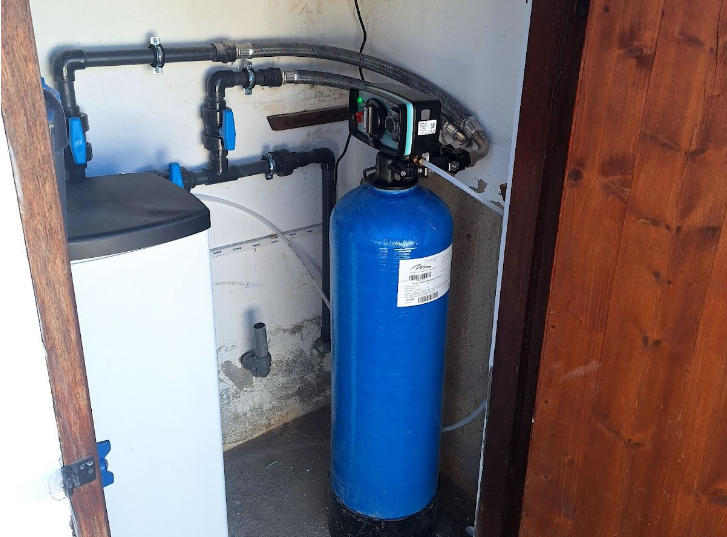
Whole-house filtration treats water at the point it enters the property, improving water quality at every tap.

Pros

  • Protects mixers, shower heads and appliances from sediment
  • Improves taste and smell everywhere (depending on filter type)
  • Makes showering and cleaning more pleasant
  • Reduces grit that damages seals and cartridges

Cons

  • Higher upfront cost
  • Needs correct sizing to maintain strong flow
  • Requires access space and periodic servicing

Whole-house filtration is ideal for:

  • homes with multiple bathrooms
  • holiday lets with high turnover
  • households that notice sediment issues
  • properties that want consistent water quality throughout

Choosing the Right System for Your Home

A good choice depends on a few practical factors.

1) How many people use the water daily?

Higher use means higher flow and more frequent cartridge changes.

2) Do you want filtration only for drinking, or for the whole home?

If you want better shower water and less grit in taps, whole-house is the better fit.

3) How important is strong shower pressure?

Whole-house filtration must be sized properly. Undersized canisters can cause pressure drop, especially during peak demand.

4) Where will the system be installed?

Whole-house systems need a neat, accessible space near the incoming main, often with isolation valves and bypass options.

Cartridge Change Intervals and Maintenance

This is the part most homeowners forget: filters need maintenance.

Typical intervals vary by usage and water conditions:

  • sediment cartridges: often more frequent
  • carbon cartridges: often longer, depending on load

You’ll know a cartridge needs changing when:

  • flow drops noticeably
  • taste or odour returns
  • filter housing shows visible sediment build-up

Agua Choca can set up a simple maintenance schedule so your system keeps working properly year-round.

Pressure and Flow Considerations

A filter that improves taste but ruins your shower is not a win.

A proper installation considers:

  • expected peak flow rate
  • pipe size and routing
  • filter housing capacity
  • whether a bypass loop is needed for servicing

This is why professional sizing matters. A “one size fits all” filter kit can cause problems in larger properties.

Installation Tips and What Good Work Looks Like

A tidy, reliable installation typically includes:

  • isolation valves before and after the system
  • a bypass loop for servicing
  • bracket mounting for stability
  • clear labelling of stages
  • clean, leak-free joints and accessible housings

If you have a holiday let, an accessible install reduces downtime. Cartridges can be swapped quickly without disruption.

Under-Sink vs Whole-House: Quick Comparison

Under-sink:

  • targets drinking and cooking water
  • lower cost, smaller footprint
  • does not protect appliances and showers

Whole-house:

  • improves water throughout the home
  • protects fixtures and appliances
  • needs correct sizing and more space

Conclusion

If you want better water for tea, coffee and cooking, under-sink filtration is often enough. If you want consistent water quality throughout the house and protection for fixtures and appliances, whole-house filtration is worth it.

If you’re unsure, Agua Choca can assess your property and recommend the right filtration setup for your Algarve home, then install it cleanly with a clear maintenance plan.
Backflow Prevention for Algarve Homes: Protect Your Drinking Water

Backflow Prevention for Algarve Homes

Most homeowners only think about plumbing when something goes wrong. Backflow is different. It can happen quietly, without a leak, and it risks something far more important than a damp patch: the safety of your drinking water.

Backflow is when contaminated water flows backwards into the clean supply. It can occur through outdoor taps, garden hoses, appliance connections, irrigation points, and even certain indoor fixtures if the conditions are right. This article explains what backflow is, where Algarve homes are most vulnerable, what devices prevent it, and what a proper installation should look like.

What Backflow Is and Why It Matters

Your home’s plumbing is designed for water to move in one direction: from the supply into your taps, showers and appliances. Backflow is the reverse, and it usually happens because of one of two forces:

  • Back-siphonage: when there’s a sudden drop in supply pressure (for example due to municipal works, a burst main, or heavy local demand), the system can “pull” water backwards.
  • Back-pressure: when pressure on the property side becomes higher than the supply pressure (for example from pumps or elevated tanks in some setups), pushing water back towards the main line.

The problem is not the direction of flow alone. The danger is what that water may contain. A hose left in a bucket of dirty water, a garden sprayer with fertiliser residue, or stagnant water sitting in an outdoor line can become a contamination source.

Where Backflow Risks Happen in Real Homes

Backflow risks don’t only exist in factories and commercial buildings. The average Algarve home has several high-risk connection points.

Garden Hoses and Outdoor Taps

The most common risk is also the easiest to overlook: a hose.

If a hose end is submerged in:

  • a pool of standing water
  • a bucket with detergent
  • a garden sprayer mix
  • a fertiliser tank
  • a small garden pond
  • a drain channel during cleaning

and the supply pressure drops suddenly, contaminated water can be pulled back through the hose and into the home’s supply line.

Irrigation Systems and Drip Lines

Irrigation points can become contaminated by soil, algae and fertiliser residue. In some cases, the line sits in the sun and warm water stagnates. Without proper protection, the line can become a contamination pathway.

Appliances and Fittings

Dishwashers, washing machines and certain boiler or heater connections can create backflow risk if installed without the correct protective arrangement, especially when combined with pressure anomalies or incorrect check valves.

Bidet Sprays, Hand Showers and Hose Attachments Indoors

If you have any type of hose attachment near toilets or in a utility room, the same rule applies: any hose that can sit in contaminated water needs backflow protection.

Common Situations That Trigger Backflow

Even if your plumbing is well maintained, backflow events can be triggered by circumstances outside your control.

  • Sudden mains pressure drops (bursts, repairs, demand spikes)
  • Neighbourhood water interruptions
  • Property pumps running in a way that creates pressure differences
  • Incorrectly installed pressure reducing valves
  • Outdoor cleaning routines, where hoses sit in contaminated water
  • Holiday-let usage, where guests use hoses without understanding the risk

For holiday lets, the risk is higher simply because there’s less control over how fixtures are used.

Device Types Used for Backflow Prevention

The right device depends on the risk level and the fixture type. Here are the most common options for domestic properties.

Hose Bib Vacuum Breaker (HBVB)

This is one of the best-value protections for outdoor taps.

  • Fits directly onto the outdoor tap or hose bib
  • Prevents back-siphonage through the hose
  • Ideal where a hose is frequently connected

It’s simple, effective, and a strong first step for most Algarve homes.

Atmospheric Vacuum Breaker (AVB)

Typically installed on certain lines where back-siphonage is a risk.

  • Protects against siphonage
  • Needs to be installed at the correct height
  • Not suitable for back-pressure situations

Double Check Valve Assembly

A double check valve is commonly used to prevent backflow where the risk is moderate.

  • Two independent check valves provide redundancy
  • Suitable for many domestic applications
  • Must be installed correctly and kept accessible

Reduced Pressure Zone Device (RPZ)

RPZ units are used where the contamination risk is higher.

  • Provides stronger protection
  • Usually requires testing and maintenance
  • Takes up more space and may need a specific install arrangement

For most domestic situations, you won’t need an RPZ, but in certain irrigation configurations or where chemical dosing is possible, it’s worth discussing.

What a Proper Installation Should Include

A backflow device is only as effective as its installation.

A professional install should include:

  • correct device selection for the risk point
  • correct orientation and location
  • isolation valves where required for service access
  • a clean, accessible position (not buried behind a cupboard with no access)
  • secure mounting if the device is heavy or prone to vibration
  • commissioning checks after installation

Outdoor installations should also consider exposure to sun and weather. Protecting components from heat and UV can extend life and reduce failure.

Testing and Maintenance

Domestic backflow prevention is not “fit and forget” forever. Devices can fail if:

  • debris builds up inside
  • seals degrade over time
  • fittings corrode in coastal air
  • the device is physically damaged

Simple homeowner habits that help

  • do not leave hoses submerged in buckets or pools
  • disconnect hoses when not in use
  • keep outdoor tap areas clean and dry
  • avoid DIY modifications that bypass protective devices

Maintenance options

For many household devices, a periodic inspection is enough. For more complex assemblies, testing may be recommended depending on the setup and local requirements.

Compliance and Safety

Backflow prevention is a safety measure. Even if you’ve never had an issue, installing protection reduces risk dramatically, especially in:

  • homes with irrigation
  • properties with multiple outdoor taps
  • holiday rentals
  • homes with hoses used for cleaning patios and driveways
  • homes with older plumbing that may be more prone to pressure instability

If you’re unsure whether your property needs upgrades, a short inspection can identify the highest-risk points quickly.

Backflow Prevention for Holiday Lets

Holiday rentals introduce one extra factor: behaviour.

Guests may:

  • wash sandy gear with a hose sitting in a bucket
  • fill a mop bucket directly with the hose end submerged
  • connect unusual attachments
  • leave hoses connected for long periods

Backflow protection is a smart preventative upgrade for any let that aims to avoid complaints, damage and risk.

How Agua Choca Helps

Agua Choca can:

  • inspect your home’s main backflow risk points
  • recommend practical devices based on usage
  • install and commission devices neatly and correctly
  • ensure outdoor tap protection is robust and serviceable
  • advise landlords and managers on simple guest-proofing improvements

Conclusion

Backflow prevention is one of those plumbing upgrades that you hope you never “need”, but you’ll be glad you have. A few small devices fitted in the right places can protect your drinking water supply and reduce risk across your whole home.

If you want peace of mind, book a backflow assessment with Agua Choca and we’ll recommend the right protection for your Algarve property.

Thermostatic Shower Valves in the Algarve: Smooth Temperatures and Safer Showers

Thermostatic Shower Valves in the Algarve

A great shower should be consistent from the first second to the last. If yours swings hot and cold, dribbles, or takes too long to settle, the thermostatic valve or the conditions around it are likely to blame. This in-depth guide explains how these valves keep you safe and comfortable, the common failure signs in Algarve conditions, and the maintenance and upgrade options that restore a stable, efficient shower.

How Thermostatic Valves Keep Temperatures Steady

Inside the body is a thermostatic element that expands or contracts as mixed water temperature changes. The mechanism continually trims the hot and cold inlets to maintain your setpoint. If the cold fails, an internal safety system limits the hot to reduce scald risk. Good installation and balanced supply pressures are essential for this to work perfectly.

Why Algarve Homes Challenge Mixers

Two local factors cause extra wear:

  • Hard water that leaves mineral deposits. These deposits roughen cartridges, stick non return valves and harden O rings.
  • Unbalanced supplies where hot and cold arrive at different pressures or where mains pressure spikes during peak use. The valve works harder to compensate and wears sooner.

Failure Signs You Can Spot Early

  • Temperature hunts or the shower runs hot then suddenly cold.
  • Handle feels gritty or stiff when you adjust temperature.
  • Reduced flow even after cleaning the shower head.
  • Weeping at the spout or head after shutoff.
  • Noise such as a whistle or chatter when you change temperature.

Quick Checks Before You Replace Parts

You can often restore performance with simple steps.

  1. Clean inlet strainers on the valve body. Fine grit restricts flow and upsets control.
  2. Descale the head and handset plate. This removes nozzle restriction that can mimic a valve fault.
  3. Confirm balanced pressure. If the cold is much higher than the hot, a pressure reducing valve set to match can transform stability.
  4. Inspect non return valves and service stops. Sticking checks or half closed stops create uneven flow.

Service and Repair Options That Work

  • Cartridge service or replacement. Use the correct OEM cartridge. Lubricate seals with potable grade grease and torque the retaining parts correctly.
  • Seal kits and non return valves. Replace the O rings and NRVs that keep cross flow in check.
  • Pressure balancing. Fit or adjust a PRV so hot and cold arrive at similar pressures. Where mains swings, an accumulator tank smooths it out.
  • Scale prevention upstream. A conditioner or softener reduces mineral load before it reaches the valve, which extends cartridge life.

Choosing the Right Valve Type

  • Bar mixers are surface mounted and easy to service. They suit straightforward bathrooms and rental properties that need fast maintenance.
  • Concealed mixers look clean and save space. They need a proper access panel or a rear service hatch to avoid future tile removal.
  • Thermostatic bath shower mixers need special care on outlet sizing. If the spout or diverter is restrictive, temperature control can suffer.

Installation Tips For Stable Performance

  • Keep pipe runs short and supported to minimise losses.
  • Avoid excessive elbows that cut flow.
  • Include isolation valves on both inlets for easy service.
  • Set the maximum temperature stop to a safe limit during commissioning.
  • If you have a recirculation loop or long hot runs, confirm the loop does not starve the mixer during peak use.

Safety Matters

Thermostatic valves are a key safety device for children, seniors and guests. Always test the hot cut off by briefly closing the cold feed during commissioning. Check the maximum stop and record the setting for future reference.

Maintenance Schedule For Algarve Conditions

  • Quarterly. Clean head, handset, strainers and external screens.
  • Annually. Inspect cartridge, O rings and NRVs. Replace if wear is visible or if control is drifting.
  • Every two to three years. Consider a preventative cartridge replacement in very hard water homes, or pair with a conditioner to extend this interval.

Troubleshooting Scenarios

Shower is warm at first, then drifts colder.
Likely a supply problem. Check hot capacity and PRV set point. A tired cartridge can also cause drift.

Great temperature but poor flow.
Most often a restriction. Clean the head and strainers. If still poor, check inlet stops and pipe sizing.

Good on one bathroom, bad on another.
Compare supply routes and pressures. The struggling bathroom may have a longer or tighter route that needs correction.

Cartridge replaced but still unstable.
Pressure mismatch or a sticky non return valve can undo the good work. Balance pressures, replace NRVs, then retest.

Upgrade Paths

If maintenance only shortens the time between issues, upgrading can be smarter.

  • Switch to a modern thermostatic bar mixer with better debris tolerance.
  • Fit serviceable concealed bodies that accept widely available OEM cartridges.
  • Add a PRV and accumulator at the home entry to stabilise the whole house.
  • Pair with limescale prevention to protect all mixers and appliances, not just the shower.

FAQs

How long should a thermostatic cartridge last?
In average conditions three to five years. Hard water and pressure swings can shorten this. Prevention and balanced supplies extend life.

Do universal cartridges fit all mixers?
No. Always match the OEM cartridge. A near fit often causes poor control or leaks.

Is a concealed mixer a bad choice in rentals?
Not if you include an access panel. With a hatch, service is almost as fast as a bar mixer.

Will a water conditioner fix my unstable shower by itself?
It helps by reducing scale, but you still need balanced pressures and a sound cartridge.

When To Call Agua Choca

If your shower temperature wanders, if the handle feels gritty, or if you are replacing cartridges too often, book a service. We will stabilise temperatures, improve flow and set your system up for longer life.

Hidden Water Leaks in Algarve Homes: Detection, Prevention and Repair

Hidden Water Leaks in Algarve Homes

A quiet hiss behind a wall. A water bill that makes no sense. A musty smell in one corner of a room. Hidden water leaks are common in Algarve homes and apartments. They waste water, damage finishes, feed mould growth and can weaken structures if ignored. This guide gives you clear steps to identify a problem, explains the non destructive tools we use to locate leaks precisely, and outlines the repair and prevention choices that keep your home dry and healthy.

Why Hidden Leaks Happen in the Algarve

Most concealed leaks trace back to one of a few causes:

  • Age and wear. Older copper or PEX lines can develop pinholes or joint failures. Unsupported pipe runs move when taps open and close, which loosens fittings over time.
  • Flexible hoses. Appliance and WC flexi hoses degrade at the ferrule, sometimes with no visible sign until they let go.
  • Poor routing. Long hot runs, tight bends and pipework that rubs against masonry create stress points that eventually seep.
  • Valve and cartridge issues. A slow leak at a mixer or a faulty check valve can pass water into places it does not belong.
  • Environmental factors. Coastal humidity and salt air accelerate corrosion on certain fittings, especially where materials were mixed without proper separation.

Early Warning Signs You Should Act On

Catching a leak early is the cheapest repair you will ever make.

  • Bill spike without a change in usage.
  • Meter movement with all fixtures shut. Check this by turning off every tap and appliance, then confirm the dial is still ticking.
  • Audible clues like a faint hiss or trickle behind a wall or beneath a floor.
  • Visual clues such as bubbling paint, dark patches on plaster, swollen skirting boards, lifted laminate or fine white mineral lines on tile joints.
  • Odour that returns after cleaning, especially a persistent musty smell.
  • Warm or cold “stripes” on a floor that match a pipe route.

DIY Checks That Help Narrow the Search

You can save time on the day of the visit by ruling out the obvious.

  1. Isolate branches. Close individual isolation valves at basins, WCs and appliances, then recheck the meter.
  2. Toilet dye test. Add a few drops of food colouring to the cistern. If colour appears in the bowl without flushing, the flapper or seal is leaking.
  3. Appliance hoses. Inspect washing machine and dishwasher hoses. Replace if you see bulging, rust on the ferrule or a damp braid.
  4. Hot or cold. Briefly close the hot cylinder feed. If the meter stops, suspect a leak on the hot side.
  5. Outdoor fixtures. Confirm outside taps are fully shut and not dripping into a drain where it is hard to notice.

Professional Leak Detection Without Tearing Up Your Home

Agua Choca uses non destructive testing to pinpoint faults before any opening is done. The goal is simple: find the source accurately, then open the smallest possible area to fix it.

  • Acoustic leak tracing. Specialist microphones listen for turbulence patterns through floors and walls. This is very effective on pressurised lines.
  • Thermal imaging. Infrared cameras reveal cold tracks from escaping water or warm tracks from a hot leak. Thermal is excellent for confirming the route of hot lines and underfloor connections.
  • Tracer gas. A safe, low density gas is introduced to a closed section. Sensitive detectors identify the path of the gas where water alone would not show. This is ideal for pinholes that do not present a strong acoustic signature.
  • Section pressure tests. We isolate branches to prove integrity. This confirms which run is affected so we do not open the wrong area.
  • Moisture mapping. Hygrometers and moisture meters confirm wet zones and help separate a recent leak from an old stain.

Typical Repair Options That Last

The fix depends on location, access and the condition of the surrounding pipework.

  • Targeted spot repair. We open neatly, replace the failed elbow, tee or short section with quality fittings, then pressure test before closing.
  • Rerouting. When a route has multiple failures or is trapped under expensive finishes, a new surface or concealed route can be faster, cleaner and more reliable.
  • Manifold upgrades. Centralising feeds with a labelled manifold simplifies diagnostics and future isolation. This is particularly useful in renovations that inherited a maze of old branches.
  • Valve and cartridge replacement. A slow blender leak or a faulty non return valve can be the root cause. Servicing or replacing these parts often resolves pressure instability and weeping lines.
  • Finish protection and restoration. We use dust control, edge protection and clean cuts. After the repair we reinstate finishes to match, or we hand over to your finisher with a tidy, ready surface.

Preventing a Repeat Leak

Long term reliability comes from small, sensible upgrades.

  • Quality flexi hoses with a dated label and a replacement interval.
  • Isolation valves at every fixture and appliance so issues can be contained quickly.
  • Pipe supports and clips to prevent movement and chafe against masonry.
  • Water hammer arrestors where quick close valves operate, for example dishwashers and washing machines.
  • Smart leak sensors with audible alerts, placed under sinks, in cylinder cupboards and behind appliances.
  • A monthly meter note. Record your reading once a month. An unexplained rise is the earliest warning you will get.

Costs, Access and What To Expect

No two leaks are the same. The main drivers of cost are access, finish type and whether rerouting is the smarter long term fix. A typical workflow looks like this:

  1. Survey and safety. Stop active damage, isolate where needed and protect finishes.
  2. Non destructive detection. Acoustic, thermal or tracer gas to pinpoint the source.
  3. Minimal opening. Clean, neat access only where the fault is.
  4. Repair, test and document. Pressure tests and photos of each stage.
  5. Drying and remediation. Advice on dehumidifiers, ventilation and mould treatment if needed.
  6. Close and finish. Like for like reinstatement or handover for decoration.

Expect a clear, itemised quote before we begin and open communication through each step.

Insurance and Documentation

If you plan to claim, keep the following:

  • The itemised quote and invoice
  • Before and after photos of the repair
  • Pressure test results where applicable
  • Moisture readings on day one and at handover

We can provide a brief report for your insurer on request.

FAQs

How quickly should I act if I suspect a hidden leak?
Immediately. Turn off the main if water is pooling. Otherwise, book same day detection. Fast action reduces damage and cost.

Will you need to lift tiles or floors?
Only if the leak is beneath that surface and no alternative route exists. Our testing aims to avoid unnecessary opening.

Can a small leak stop by itself?
No. It usually gets worse. Minerals may slow it for a time, but the path tends to open further.

Is condensation ever confused with a leak?
Yes. Moisture mapping and thermal help us separate a leak from condensation or bridging. We will confirm before we open.

When To Call Agua Choca

If your bill has jumped, you hear water when everything is off, or you see new damp patches forming, book a same day assessment. You will get a precise location, a tidy repair and practical prevention advice.

Why Regular Pipe Descaling is Essential for Algarve Homes

Regular Pipe Descaling

The Hidden Cost of Hard Water in the Algarve

If you live in the Algarve, you’ve likely noticed chalky marks on taps, showerheads, and kettles. That’s limescale, and while it looks harmless, it’s a symptom of mineral-heavy water slowly damaging your plumbing system.

Beneath the surface, calcium and magnesium from hard water accumulate inside pipes. Over time, this buildup restricts water flow, strains appliances, and increases your energy bills. Regular pipe descaling isn’t just a luxury, it’s a necessity for maintaining efficient plumbing and protecting your investment.

At Agua Choca Plumbing, we specialise in professional descaling treatments designed for Algarve homes, helping residents prevent blockages, improve water quality, and extend the life of their systems.

What Is Pipe Descaling?

Pipe descaling is a professional cleaning process that removes mineral buildup, corrosion, and limescale deposits from the inside of water pipes. This can be done chemically, mechanically, or through specialised flushing systems.

Methods Commonly Used:

  • Chemical Descaling: Eco-safe solutions dissolve calcium and magnesium without damaging pipes.
  • Mechanical Cleaning: Flexible tools scrub internal surfaces to restore full flow.
  • Power Flushing: A high-pressure system that removes scale, rust, and sediment quickly and efficiently.

These methods depend on pipe material, system size, and the level of buildup.

Why Descaling Matters in Algarve Homes

1. Hard Water Is a Constant Challenge

The Algarve’s water supply is rich in minerals, particularly calcium. Without regular maintenance, limescale builds up faster here than in most parts of Europe.

2. Reduced Water Pressure

Scale accumulation narrows pipe diameters, forcing your system to work harder. If you’ve noticed weaker flow from taps or showers, buildup may be to blame.

3. Appliance Efficiency

Kettles, boilers, and washing machines that use hot water are especially vulnerable to limescale. Descaling keeps heating elements clean, improving performance and longevity.

4. Cost Savings Over Time

A well-maintained plumbing system uses less energy and experiences fewer breakdowns. Regular descaling prevents costly emergency repairs or replacements.

How Often Should You Descale Your Pipes?

For Algarve homes, an annual professional descaling service is generally recommended, though this depends on water usage and local conditions.

Signs You May Need Descaling Sooner:

  • Noticeable drop in water pressure
  • White chalky buildup on fixtures
  • Noisy pipes or heating systems
  • Slower water flow despite clear drains
  • Visible residue in kettles or taps

If you notice two or more of these symptoms, it’s time to call in a plumber before the problem worsens.

The Professional Descaling Process at Agua Choca

When you book a descaling service with Agua Choca Plumbing, here’s what to expect:

  1. System Inspection – We assess your pipe condition and measure flow rates.
  2. Targeted Treatment Plan – Based on pipe material and buildup level.
  3. Eco-Safe Cleaning – We use biodegradable solutions that dissolve minerals safely.
  4. System Flush – Clears loosened debris from your pipes.
  5. Final Flow Testing – Confirms restored pressure and efficiency.

Our team’s approach is safe for modern PVC, copper, and PEX piping and ensures long-term results.

Preventing Limescale Between Services

Professional descaling should be supported with small, ongoing maintenance habits:

  • Install a water softener or filtration unit to reduce mineral levels.
  • Clean aerators and showerheads monthly with vinegar to remove deposits.
  • Keep water heaters serviced annually to prevent internal scaling.
  • Use descaling tablets or mild solutions on appliances every few months.

Consistent maintenance helps extend the lifespan of your plumbing system and keeps your water pressure strong.

The Long-Term Benefits of Regular Pipe Descaling

  • Improved Water Flow: Consistent and strong pressure throughout the house.
  • Reduced Energy Bills: Systems heat water more efficiently.
  • Better Hygiene: Prevents bacteria growth inside pipes caused by scale buildup.
  • Extended Pipe Life: Corrosion prevention means fewer replacements.
  • Peace of Mind: Fewer plumbing emergencies and consistent comfort.

Regular descaling is one of the simplest ways to protect your home, and your wallet.

Why Choose Agua Choca for Pipe Descaling in the Algarve

  • Local Expertise: We understand the Algarve’s hard water conditions.
  • Eco-Friendly Solutions: All descaling products are safe and non-corrosive.
  • Certified Technicians: Experienced plumbers who treat both residential and commercial systems.
  • Preventive Maintenance Programs: Custom scheduling to suit your water quality and home type.

We’re more than a plumbing service, we’re your partners in long-term system care.

Conclusion: A Clear Path for Better Plumbing

Regular pipe descaling keeps your plumbing efficient, clean, and reliable. In Algarve’s mineral-heavy environment, ignoring buildup means higher energy costs and preventable damage.

With Agua Choca Plumbing, your pipes get the professional attention they deserve, keeping your home running smoothly all year round.

How Proper Drain Ventilation Prevents Odours and Slow Flow

Proper Drain Ventilation

The Overlooked Component of Home Plumbing

When homeowners think about plumbing, they usually picture pipes, taps, and drains, but there’s another hidden system that plays a crucial role in keeping everything working properly: ventilation.

Drain ventilation allows air to circulate through your pipes, balancing pressure and letting wastewater flow freely. Without it, drains gurgle, water pools, and unpleasant smells creep through sinks or showers.

In Algarve homes, where older plumbing systems and coastal humidity add extra challenges, proper drain ventilation is essential to maintaining a clean, odour-free environment.

At Agua Choca Plumbing, we help homeowners understand, maintain, and upgrade their ventilation systems, preventing the issues most people only notice once it’s too late.

What Is Drain Ventilation and Why It Matters

A drain ventilation system uses vertical and horizontal pipes (called vent stacks) to allow air into the plumbing network. This equalises pressure, letting water move smoothly while preventing sewer gases from entering your home.

Without Proper Ventilation, You’ll Notice:

  • Gurgling sounds in sinks or toilets
  • Slow water drainage
  • Odours coming from bathroom or kitchen drains
  • Fluctuating toilet water levels
  • Occasional “bubbling” after flushing or draining

Each of these signs indicates airflow imbalance in your plumbing system, something easily solved with correct venting.

How Drain Ventilation Works

When water flows down a drain, it creates a vacuum behind it. Air must replace that volume for the water to move freely. Vent pipes, usually running up through the roof or exterior walls, provide that air.

Without adequate venting, suction builds up, pulling water from traps and seals. Once those seals break, odorous gases from the sewer line have a direct path indoors.

A well-ventilated system ensures:

  • Constant airflow
  • Stable pressure levels
  • Functional water traps
  • Smooth and silent drainage

Common Ventilation Problems in Algarve Homes

1. Clogged or Blocked Vent Pipes

Dust, insects, nesting birds, or debris can block roof vents, stopping airflow. This is especially common in coastal areas where salt buildup accelerates corrosion.

2. Poor Installation or Outdated Design

Older Algarve homes often feature narrow or incorrectly placed vent pipes that don’t meet modern plumbing standards.

3. Broken or Cracked Fittings

Even small cracks in vent connections can disrupt the pressure balance, leading to inconsistent drainage.

4. DIY Modifications

Adding new sinks or bathrooms without adjusting ventilation can cause pressure problems elsewhere in the system.

5. Coastal Humidity Effects

High humidity and sea air can cause faster corrosion of vent stacks, particularly metal ones.

How to Identify Poor Drain Ventilation

Sometimes the signs are subtle.
Here’s what to look for before problems escalate:

  • Persistent odours despite cleaning
  • Toilets that don’t flush properly or require multiple flushes
  • Unusual noises from drains
  • Slow drainage in multiple fixtures
  • Mould or damp smells near bathrooms or kitchens

If more than one symptom occurs, it’s time for a professional inspection, vent problems often affect the entire system, not just one drain.

The Role of Agua Choca Plumbing in Ventilation Repairs

At Agua Choca Plumbing, we don’t just clear pipes, we ensure your entire drainage system breathes properly.

Our Ventilation Services Include:

  • Vent Stack Inspections: Checking for blockages, corrosion, or cracks.
  • Pressure Balancing Tests: Identifying trapped air or suction zones.
  • Trap Seal Verification: Ensuring proper water seal in sinks, baths, and toilets.
  • Vent Pipe Cleaning and Replacement: Removing debris and restoring airflow.
  • System Redesigns: Upgrading ventilation in older homes to meet modern performance standards.

We use specialised inspection tools, including cameras and smoke tests, to pinpoint hidden blockages and faulty connections.

Preventing Drain Odours and Poor Ventilation

1. Schedule Annual Vent Inspections

Even new systems can become blocked over time. Regular inspections ensure proper function before serious issues develop.

2. Keep Roof Vents Clear

Trim nearby branches, remove debris, and check for nesting birds that may block openings.

3. Don’t Ignore Gurgling Noises

Early sound changes are one of the first signs of venting trouble, call a plumber before it turns into a full blockage.

4. Avoid Harsh Chemical Cleaners

These can erode vent connections and pipe seals over time. Use eco-safe cleaning products instead.

5. Combine Ventilation with Professional Drain Cleaning

Good airflow complements clean pipes, together, they ensure smooth drainage and odour control.

Benefits of a Properly Ventilated Plumbing System

  • Odour-Free Living Spaces: Prevents sewer gases from entering your home.
  • Improved Drainage: Eliminates slow-flow issues and backups.
  • Longer Plumbing Lifespan: Reduces internal pressure strain on pipes.
  • Healthier Air Quality: Keeps your indoor environment fresh and safe.
  • Peace of Mind: Reduces maintenance costs and emergency call-outs.

Why Algarve Homes Need Extra Care

The Algarve’s warm, humid climate accelerates mineral buildup and corrosion. Salt exposure near coastal areas also affects vent materials over time. Regular inspection and cleaning are essential, particularly for properties near the ocean or older villas that predate modern plumbing codes.

Agua Choca’s team provides tailored solutions for Algarve homes, combining local experience with advanced tools to keep every system performing as it should.

Conclusion: Clean Air, Clear Pipes

Proper drain ventilation may be invisible, but its effects are felt every day. When air moves freely through your plumbing, water drains efficiently, odours disappear, and your home feels fresher.

If you’ve noticed gurgling, slow drains, or unpleasant smells, call Agua Choca Plumbing for a full ventilation and drainage inspection. We’ll restore balance, freshness, and flow, the way your system was designed to work.

Pipe Replacement vs Repair: How to Know What Your Algarve Home Really Needs

Pipe Replacement vs Repair

Understanding the Lifespan of Your Plumbing

Every pipe in your home has an expiry date. Whether it’s copper, PVC, or PEX, no plumbing system lasts forever, and in Algarve’s mineral-rich water conditions, corrosion and scale build-up often shorten that lifespan.

When a leak appears, many homeowners assume a quick patch will do the trick. But not all problems are isolated. Sometimes, what looks like a small repair could be a symptom of ageing pipes that need more than a temporary fix.

At Agua Choca Plumbing, we help homeowners decide when repair makes sense, and when a full pipe replacement is the smarter, longer-term solution.

When a Repair Is Enough

Localised Leaks or Damage

If the leak is caused by a loose joint, minor crack, or a single corroded section, repairing just that portion is often sufficient. Our plumbers identify and fix small leaks quickly using durable, long-lasting materials.

Newer Pipe Systems

Modern plumbing materials such as PEX and PVC can often be repaired successfully without replacing large sections. If your system is under 15 years old and well-maintained, spot repairs usually restore full function.

Stable Water Pressure and Flow

If your water pressure remains consistent and discolouration is minimal, your system is likely still structurally sound. In these cases, targeted repairs are the most practical solution.

When Replacement Is the Better Option

Frequent Leaks or Recurrent Problems

If you’re calling a plumber every few months for new leaks, it’s a red flag. Persistent problems suggest internal corrosion or pipe fatigue that patchwork repairs can’t solve. Replacing the system becomes more cost-effective than continual fixes.

Discoloured or Metallic-Tasting Water

Brown, yellow, or metallic-tasting water can indicate internal rusting in metal pipes. Over time, this leads to contamination and poor flow. Replacing corroded sections ensures clean, safe water throughout your home.

Old or Mixed Materials

Many Algarve homes built decades ago still use outdated metal pipes, often combined with newer materials after partial renovations. These hybrid systems can create pressure imbalances and galvanic corrosion, another clear sign it’s time to start fresh.

Water Pressure Drops and Uneven Flow

Widespread mineral deposits or scaling can narrow pipe interiors, restricting flow. When cleaning or partial repairs don’t restore pressure, a full replacement may be required.

Benefits of Full Pipe Replacement

  • Improved Water Quality: New pipes eliminate internal rust and scale.
  • Long-Term Reliability: Reduced risk of leaks, bursts, and costly emergencies.
  • Higher Property Value: A modern plumbing system adds measurable resale value.
  • Efficiency: New piping materials reduce friction, improving flow and lowering energy use in water heating systems.

What to Expect During a Replacement Project

At Agua Choca, we prioritise minimal disruption during replacements. Our process includes:

  1. Initial Assessment: We inspect your current system and test pressure and water quality.
  2. Quotation & Planning: Clear, upfront costing and project timeline.
  3. Pipe Replacement: Professional removal and installation using approved, high-grade materials.
  4. Final Testing: Flow rate, pressure, and leak testing before handover.

Every step is handled by experienced Algarve plumbers familiar with local building standards and water conditions.

Preventative Maintenance: Extending Your New Pipes’ Lifespan

  • Schedule annual inspections to catch small issues early.
  • Use water softeners or descaling systems where needed to prevent buildup.
  • Flush your pipes periodically to maintain clean water flow.
  • Replace washers and joints before they fail.

Proper maintenance can extend your new plumbing system’s life by up to 25 years.

Conclusion: Repair or Replace, Make the Right Call

Small leaks can often be fixed, but recurring problems signal a deeper issue. Understanding the difference saves you time, stress, and long-term costs.

Whether it’s a targeted repair or a complete plumbing overhaul, Agua Choca Plumbing provides expert advice and reliable service to keep your Algarve home’s water system working efficiently for years to come.

Keeping Your Drains Clear Over the Holidays: Avoid Festive Season Plumbing Disasters

Keeping Your Drains Clear Over the Holidays

When the Holidays Meet Heavy Plumbing Use

The festive season brings family, friends, and plenty of home cooking, but it also puts your plumbing system under more pressure than usual. Between long showers, dishwashing, laundry, and extra guests, your drains are doing overtime.

At Agua Choca Plumbing, we see a rise in emergency call-outs every December. Most problems, however, can be avoided with a bit of foresight and simple maintenance. Here’s how to keep your Algarve home’s plumbing stress-free throughout the holidays.

Why Plumbing Issues Peak During the Festive Season

1. Increased Kitchen Use

Cooking for guests means more oils, fats, and food waste going down the drain, a perfect recipe for blockages. Even a small build-up can cause slow drainage or full backups.

2. Bathroom Overload

More showers, toilets, and sinks in use at once strain your plumbing system. Older homes in the Algarve with narrow or ageing pipes are especially vulnerable.

3. Unnoticed Pre-Existing Issues

Minor leaks or partial blockages that seemed harmless before can turn into serious problems under heavy use.

4. Limited Access to Plumbers

During holidays, response times can be slower due to high demand. Preventive action before the season starts is always smarter than a December emergency.

Top Tips to Keep Your Drains Flowing Freely

1. Keep Grease Out of the Sink

Pouring cooking oil or fat down the drain causes it to harden inside pipes. Instead, collect grease in a container and dispose of it with household waste once cooled.

2. Use Sink Strainers

A simple strainer prevents food scraps from entering your pipes. Empty and clean it regularly, it’s one of the easiest ways to avoid clogs.

3. Flush Drains with Hot Water and Baking Soda

Before the busy season, pour boiling water followed by a mix of baking soda and vinegar down kitchen drains. This natural method breaks down light build-up and removes odours.

4. Space Out Water Usage

If possible, don’t run the dishwasher, washing machine, and shower all at once. This helps maintain stable water pressure and prevents strain on the system.

5. Clear Outdoor Drains and Gutters

Winter in the Algarve can bring occasional rain. Clearing leaves and debris from exterior drains reduces the risk of overflow or flooding.

Common Holiday Plumbing Emergencies (and How to Avoid Them)

Blocked Kitchen Sink

Grease and food scraps are the biggest culprits. Prevention: wipe pans and plates with paper towels before washing and avoid pouring oil down the drain.

Toilet Backups

Extra guests mean heavier toilet use. Remind everyone not to flush wipes, cotton pads, or hygiene products, even “flushable” ones can block pipes.

Shower and Bath Drain Clogs

Hair and soap build-up often go unnoticed until usage spikes. A quick drain clean before guests arrive can save a lot of trouble.

Leaking Faucets or Pipes

The constant on-and-off use can loosen fittings or expose weak points. Check all visible pipes under sinks and around toilets before the festive rush.

Professional Preventive Plumbing Before the Holidays

Drain Cleaning Services

Our plumbers use specialised equipment to remove deep-seated build-up in both indoor and outdoor pipes. High-pressure jetting clears grease, soap, and mineral residue efficiently.

System Check-Ups

A full inspection from Agua Choca Plumbing ensures your home’s drains, joints, and fixtures are in top shape before guests arrive. This simple step prevents most emergencies.

Odour Treatment and Trap Cleaning

Blocked vents or dry traps can cause unpleasant smells. A professional clean keeps your bathroom and kitchen fresh through the holidays.

How to Handle a Plumbing Emergency During the Holidays

Even with good preparation, surprises can happen.
Here’s what to do:

  1. Turn off the main water supply immediately if there’s a major leak.
  2. Avoid chemical drain cleaners, they often worsen the damage.
  3. Call Agua Choca Plumbing’s emergency line for prompt, professional assistance.

Our Algarve-based team provides reliable holiday coverage for urgent call-outs and emergency drain services.

Why Choose Agua Choca This Festive Season

  • Local Expertise: We understand the Algarve’s unique water conditions and older property layouts.
  • Fast Response: Same-day service available for urgent call-outs.
  • Preventive Care: We don’t just fix, we help you prevent plumbing stress altogether.

From kitchens to bathrooms, we ensure every system in your home performs reliably, so you can focus on celebrating, not plumbing.

Conclusion: Enjoy the Season, Skip the Stress

A little maintenance goes a long way during the holidays. By taking preventive steps and calling in a professional before issues arise, you’ll keep your home’s plumbing running smoothly all season long.

Stay festive, stay worry-free, and if you do run into trouble, Agua Choca Plumbing is just a call away.

Winter Water Heater Care in the Algarve: Keep Your Hot Water Flowing

Winter Water Heater Care

When Warm Showers Matter Most

Even in the Algarve, where winters are mild, there’s nothing worse than stepping into a cold shower on a chilly morning. Many homeowners assume their water heaters will keep running smoothly year-round, but seasonal maintenance is crucial, especially before winter sets in.

At Agua Choca Plumbing, we understand how local conditions like hard water and mineral build-up affect water heating systems. With proper care and a few preventive steps, you can extend your heater’s lifespan, maintain energy efficiency, and avoid mid-winter breakdowns.

Why Winter Maintenance Matters

Hard Water and Limescale Build-Up

In the Algarve, hard water is the biggest enemy of water heaters. Over time, minerals like calcium and magnesium accumulate inside the tank or element, reducing efficiency and causing noise or slow heating. Left untreated, this build-up can lead to higher energy use and premature heater failure.

Increased Seasonal Demand

During cooler months, water heaters work harder to meet higher demand. Without a check-up, this extra strain can expose weak components, worn seals, or faulty thermostats.

Energy Efficiency and Cost Savings

A poorly maintained heater has to work longer to produce the same amount of hot water, which drives up your utility bills. Regular descaling and part inspections help ensure your system runs smoothly while saving energy.

How to Prepare Your Water Heater for Winter

1. Schedule a Professional Inspection

Have a licensed plumber from Agua Choca check your heater before the colder months arrive. We’ll examine:

  • Heating elements for corrosion or wear
  • Thermostat function and temperature calibration
  • Tank pressure valves and seals
  • Signs of internal leaks or rust

Regular inspections ensure minor issues are fixed before they cause major failures.

2. Flush the Tank to Remove Sediment

Sediment naturally settles at the bottom of water heaters. Flushing the tank once or twice a year removes this build-up and restores proper heat transfer, keeping your heater quiet and efficient.

3. Check for Leaks and Drips

Small leaks near joints or valves often go unnoticed. In cooler months, when metal components expand and contract more, these leaks can worsen. Early detection helps avoid unexpected water damage and costly replacements.

4. Test the Pressure Relief Valve

This safety feature prevents excess pressure from building up in the tank. If it’s faulty, it can cause dangerous bursts or leaks. Agua Choca technicians test and replace faulty valves as part of every heater service.

Preventing Common Winter Water Heater Problems

Loss of Hot Water

If your system struggles to heat water, the heating element or thermostat may be failing. Regular testing ensures both components operate efficiently.

Rust-Coloured Water

Discoloured water from taps may indicate corrosion inside the tank. A tank inspection and anode rod replacement can stop rust before it contaminates your water supply.

Unusual Noises

Banging or rumbling sounds often point to sediment build-up. A thorough flush by Agua Choca’s team can resolve this quickly.

Upgrading to Modern, Efficient Systems

If your heater is more than 10 years old or frequently needs repairs, upgrading can save money long-term. New-generation heaters are more energy-efficient, safer, and designed to handle Algarve’s hard water more effectively.

Agua Choca can help you select and install a unit suited to your household’s size, energy needs, and water quality, from electric and gas heaters to solar-assisted systems.

Simple Homeowner Maintenance Tips

Between professional check-ups, these easy habits can make a big difference:

  • Set your heater temperature around 55-60°C for efficiency and safety.
  • Listen for unusual noises and act early.
  • Avoid running multiple high-demand appliances at once.
  • Have limescale filters or softeners serviced regularly.

Consistent attention helps your heater run more smoothly and last longer.

Why Choose Agua Choca for Water Heater Maintenance

  • Experienced Technicians: Our Algarve-based plumbers are trained in diagnosing and maintaining all major water heater brands.
  • Hard Water Expertise: We understand the unique challenges of Algarve’s mineral-rich water.
  • Reliable Service: On-time visits, transparent pricing, and lasting repairs.

With Agua Choca, you’re not just maintaining your water heater, you’re ensuring comfort and reliability throughout the colder months.

Conclusion: Warm Water, Worry-Free

A little preparation goes a long way. Regular water heater maintenance helps you avoid cold showers, reduce energy costs, and prevent damage caused by limescale or leaks.This winter, trust Agua Choca Plumbing to keep your hot water running strong, because comfort starts with consistency.

Hidden Plumbing Leaks: Why Early Detection Saves Money and Walls

Hidden Plumbing Leaks

Out of Sight, But Never Harmless

A slow leak inside a wall or under a floor doesn’t seem like an emergency, until the damage spreads. Hidden plumbing leaks are among the most common causes of structural deterioration in Algarve homes, and they often go unnoticed for weeks or months.

At Agua Choca Plumbing, we specialise in detecting and repairing these unseen problems before they turn into costly disasters. From subtle pipe cracks to worn seals, our experienced team uses advanced diagnostics to find leaks fast and fix them correctly.

The Real Cost of Ignoring Hidden Leaks

Water Waste and Higher Bills

Even a tiny leak can waste hundreds of litres of water each month. Over time, that constant drip adds up, not only in wasted water but in money. Many Algarve homeowners first notice a problem when their utility bills suddenly spike for no clear reason.

Structural and Wall Damage

Persistent moisture weakens plaster, damages paintwork, and can even compromise concrete and wooden structures. By the time stains appear on a ceiling or wall, the problem has often spread behind the scenes.

Health Concerns from Mould Growth

Moisture trapped inside walls creates an ideal environment for mould and mildew. These not only smell unpleasant but can affect indoor air quality and trigger allergies, especially in Algarve’s humid climate.

How Agua Choca Detects Hidden Leaks

Advanced Diagnostic Tools

We combine acoustic leak detection, thermal imaging, and pressure testing to identify leaks without breaking through walls or flooring unnecessarily.

  • Acoustic listening devices detect the faint sound of escaping water.
  • Thermal imaging cameras reveal subtle temperature changes where water has cooled the structure.
  • Pressure tests confirm the location and severity of leaks.

This approach means your property stays intact and undamaged while we pinpoint the issue precisely.

Skilled Local Technicians

Our plumbers are trained to interpret data from these tools accurately, combining technology with on-site experience to provide fast, targeted repairs. Whether in an apartment, villa, or commercial property, we tailor each job to suit the building’s materials and layout.

Preventing Future Leaks

The best repair is one you never need to make. That’s why Agua Choca encourages clients to schedule regular plumbing inspections, especially before or after the high-usage summer months.

Simple steps can help too:

  • Check meter readings regularly for unexplained changes.
  • Inspect visible joints under sinks and behind toilets.
  • Don’t ignore damp smells, minor wall stains, or uneven flooring.

Catching these early signs can save you from large-scale water damage later on.

When to Call a Professional

If you notice:

  • Unexplained moisture on floors or walls
  • A constant hissing sound near plumbing fixtures
  • Musty odours that persist despite cleaning
  • Warm or damp spots under tiles or carpets

…it’s time to call Agua Choca Plumbing. We’ll conduct a professional inspection and stop the problem before it spreads.

Conclusion: Detect Early, Save Big

Hidden leaks are silent but costly. Acting quickly protects your home’s structure, reduces waste, and prevents mould-related health risks.

At Agua Choca, we believe early detection is the key to long-term plumbing reliability. With advanced tools, expert technicians, and responsive local service, we help Algarve homeowners stay one step ahead of hidden water damage.